
Common Boutique Villas Mistakes: Operational & Investment Pitfalls Guide
Navigating the ownership, development, and operational management of elite independent hospitality properties requires balancing exceptional guest experiences against rigorous financial and structural oversight. When property investors, general managers, and real estate developers evaluate high-end independent accommodations, they frequently encounter complex operational friction points where architectural ambition clashes with local environmental realities. Furthermore, these administrative and strategic missteps function as recurring systemic vulnerabilities that threaten asset profitability, structural integrity, and brand reputation across competitive global travel markets.
Analyzing these specialized operational hazards demands moving past superficial checklists to explore geotechnical soil mechanics, local zoning compliance, and multi-layered labor scheduling models. From cliffside resort compounds utilizing improper drainage architectures to independent retreats mismanaging seasonal cash flow, modern luxury hospitality management presents profound structural challenges. Consequently, an operational strategy optimized solely for short-term visual appeal often introduces severe structural degradation and financial loss, demanding rigorous critical analysis from asset directors and financial controllers alike.
This reference manual provides an exhaustive structural, historical, and operational framework for analyzing, interpreting, and avoiding recurrent operational pitfalls in elite hospitality. The following sections dissect systemic historic evolution, analytical mental models, expenditure optimization economics, and long-term asset governance protocols to establish a definitive professional standard for managing high-end properties across global markets.
Understanding common boutique villas mistakes
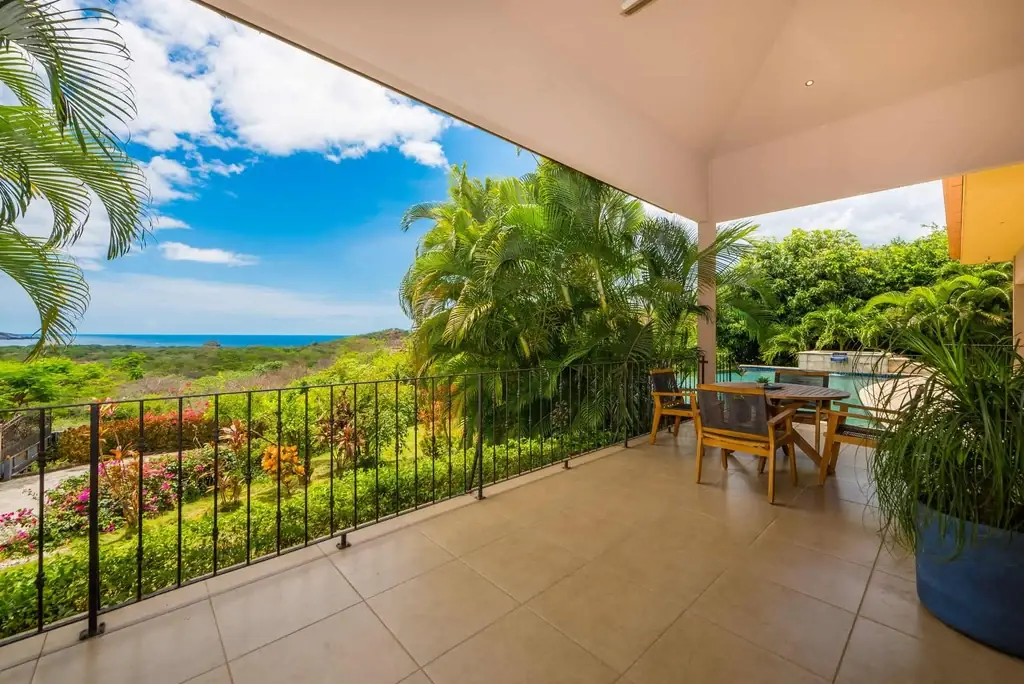
When hospitality professionals investigate common boutique villas mistakes, the primary objective is decoding how planning oversights, maintenance neglect, and financial miscalculations influence both operational efficiency and long-term asset valuation. However, a common pitfall involves treating property management errors as isolated administrative accidents while completely ignoring the rigorous engineering inspections and structural audits required to keep luxury boutique assets secure.
A widespread misconception views boutique property management through a purely transactional lens, reducing complex asset maintenance and legal compliance to simple housekeeping checklists. Consequently, this oversimplification ignores the nuanced geotechnical stabilization requirements, local labor regulations, and multi-peril insurance coverage needed to sustain elite property operations. In reality, mastering the operational process requires examining the friction between aggressive real estate development and uncompromised safety compliance.
Relying on uncritical operational strategies introduces severe financial and physical vulnerabilities. When operators gloss over title deed ambiguities, deferred structural maintenance, or inadequate guest safety protocols, the resulting business disruptions cause immediate asset devaluation and severe brand reputation damage. True professional management demands rigorous legal due diligence, proactive engineering reviews, and an honest accounting of how operational workflows perform under intensive commercial hospitality demands.
Deep Contextual Background
The evolution of upscale boutique resort and independent property management reflects a century-long transformation in hospitality administration, shifting from reactive maintenance and informal local agreements to decentralized, data-driven property risk assessment. Early luxury travel operations relied on fixed structural assumptions, manual safety inspections, and unpredictable legal frameworks, creating rigid vulnerabilities that limited economic resilience during natural disasters or market shifts.
The late twentieth century marked a profound technological and regulatory turning point. Advanced computerized maintenance management software and standardized international hospitality safety codes demonstrated that independent accommodations could monitor structural and financial exposures in real time, transforming localized property oversight into a data-optimized asset class. This shift prioritized automated utility tracking, predictive equipment servicing, and transparent legal compliance auditing that traditional manual management desks could not support.
As global hospitality matured, the demand for hyper-secure asset protection while maintaining uncompromising guest satisfaction accelerated the evolution of specialized management technologies. Consequently, studying and executing operational oversight transitioned from an ad-hoc administrative duty into a highly rigorous interdisciplinary specialty encompassing structural engineering, legal compliance, financial forecasting, and sustainable environmental strategy.
Conceptual Frameworks and Mental Models
Analyzing complex hospitality operational errors requires robust mental models that account for environmental volatility, financial elasticity, and asset longevity.
The Environmental Vulnerability and Geotechnical Matrix
This foundational model evaluates how local topography, soil composition, and weather patterns correlate with structural risk. It prevents operators from building on unstable coastal or hillside plots without adequate engineering shoring.
The Regulatory Compliance and Legal Exposure Pipeline
Elite boutique properties must balance local statutory laws against international guest expectations. This mental model tracks title integrity, zoning permits, and contract liability to prevent costly legal disputes.
The Operational Safety and Maintenance Coordination Axis
Management workflows must balance immediate guest comfort against rigorous preventive maintenance protocols. This framework optimizes equipment servicing schedules, staff training, and utility management to protect occupants during commercial operations.
The Financial Forecasting and Cash Flow Hierarchy
This model stratifies operational expenditure into fixed capital overhead, seasonal labor costs, and variable supply chain procurement, ensuring liquidity without compromising service standards.
Key Categories and Operational Variations
Mastering the study of common boutique villas mistakes involves navigating distinct operational and management typologies, each carrying specific technical challenges and workflow requirements.
Geotechnical and Structural Foundation Oversight
Comprising comprehensive engineering reviews, deep-pier shoring, retaining wall drainage enhancements, and seismic retrofitting for vulnerable coastal or hillside estates.
-
Trade-Offs: Demands significant upfront capital expenditure, but eliminates catastrophic structural collapse and landslide vulnerabilities.
Comprehensive Legal and Title Due Diligence
Executing strict legal audits of land tenure, foreign ownership restrictions, zoning classifications, and environmental clearance certificates prior to property acquisition.
-
Trade-Offs: Requires specialized local legal counsel and thorough investigation time, but prevents crippling ownership disputes and forced demolitions.
Advanced Life-Safety and Fire Suppression Integration
Installing commercial-grade fire alarms, automated sprinkler systems, emergency backup generators, and secure perimeter access controls.
-
Trade-Offs: Involves complex architectural integration, but ensures compliance with international hospitality safety standards and guest protection.
Multi-Tiered Vendor and Staff Liability Insurance
Securing comprehensive commercial general liability, professional indemnity, and property damage insurance policies tailored for high-end boutique hospitality operations.
-
Trade-Offs: Commands substantial annual premium costs, but protects the asset from devastating financial loss during major liability claims.
Operational Comparison Table
| Operational Risk Category | Primary Mitigation Strategy | Main Implementation Challenge | Primary Financial Impact | Risk Reduction Profile |
| Geotechnical Oversight | Deep Piers & Retaining Walls | High engineering complexity | Substantial capital outlay | Extremely High (prevents physical collapse) |
| Legal & Title Audits | Local Counsel & Land Registry Checks | Complex foreign ownership laws | Moderate legal fees | High (secures property rights) |
| Life-Safety Systems | Commercial Fire & Security Tech | Retrofitting historic structures | Moderate to high installation cost | High (protects occupants and assets) |
| Comprehensive Insurance | Specialized Hospitality Policies | High premium evaluations | Ongoing operational expense | High (transfers financial liability) |
Realistic Decision Logic
When property managers evaluate capital allocation for site safety and structural maintenance, decision logic must prioritize geotechnical engineering reports and title deeds above aesthetic architectural enhancements. If an operations team invests heavily in luxury interior finishes while ignoring unstable hillside drainage or unverified land title status, the entire asset faces imminent legal or physical destruction. Planners must weigh the cost of comprehensive engineering stabilization against the total financial exposure of property loss.
Detailed Real-World Scenarios
Practical operational scenarios illustrate how mastering risk avoidance prevents financial ruin, structural failures, and legal liabilities across diverse markets.
Case Study A: The Phuket Hillside Drainage and Landslide Prevention
Property managers at a secluded hillside villa resort in Thailand resolved a critical structural vulnerability driven by inadequate retaining wall drainage during severe monsoon downpours.
-
Constraints: Steep tropical topography; saturated clay soils; historic lack of sub-soil weep holes in existing boundary retaining walls.
-
Decision Points: Management evaluated whether to patch surface cracks cosmetically or reconstruct the retaining walls with deep-anchored drainage geotextiles and sub-surface PVC collector pipes.
-
Failure Modes Identified: Superficial repairs ignored hydrostatic pressure buildup behind masonry walls, risking catastrophic slope failure.
-
Second-Order Effects: Potential structural collapse of guest villas situated near the property perimeter, threatening human life and severe litigation.
-
Resolution: Operations staff engaged geotechnical engineers to install multi-tiered sub-drainage systems and soil anchors, neutralizing landslide risks completely.
Field Incident B: The Mykonos Title Clearance and Zoning Resolution
Property administrators for a luxury Cycladic villa complex in Greece managed a severe legal challenge when local municipal authorities contested the environmental compliance of an expanded outdoor pool deck.
-
Constraints: Strict coastal zone building restrictions; complex historic zoning permits; retroactive municipal code enforcement.
-
Decision Points: Planners assessed whether to contest the municipal citation through protracted court litigation or negotiate a permitted architectural modification to comply with coastal setbacks.
-
Failure Modes Identified: Initial development approvals relied on verbal assurances rather than verified government land registry filings.
-
Second-Order Effects: Municipal threat of demolition orders for the pool terrace, creating severe operational uncertainty and brand reputational damage.
-
Resolution: Specialized real estate legal counsel collaborated with municipal surveyors to adjust the deck footprint within legal coastal envelopes, securing permanent operating permits.
Operational Deployment C: The Bali Jungle Sanctuary Fire Safety Overhaul
Resort operators overhauled their life-safety infrastructure for a high-end jungle retreat constructed primarily from traditional combustible hardwoods.
-
Constraints: Remote jungle location far from municipal fire stations; highly flammable architectural materials; international guest safety liability standards.
-
Decision Points: Designers compared relying on basic portable fire extinguishers against installing an interconnected wireless fire alarm grid and private water mist suppression systems.
-
Failure Modes Identified: Traditional open-air timber structures presented rapid fire spread risks without early warning detection systems.
-
Second-Order Effects: Inability to secure international luxury travel agency contracts due to non-compliance with global safety mandates.
-
Resolution: Operators installed an advanced wireless optical smoke detection grid, automated water mist suppression units in all sleeping pavilions, and dedicated fire suppression water storage tanks.
Planning, Cost, and Resource Dynamics
Administering an effective operational management strategy requires understanding the economic relationship between upfront compliance spending, professional fees, and long-term asset protection.
Direct and Indirect Financial Realities
When analyzing operational expenditures, asset operators must weigh the upfront capital outlay of engineering reviews, legal audits, and safety systems against the catastrophic financial toll of structural collapse, lawsuits, or regulatory shutdowns. Deferring safety compliance to artificially boost short-term net operating income invariably results in devastating financial liabilities.
Opportunity Cost and Resource Allocation
Property managers must balance administrative oversight hours against core guest hospitality delivery. Over-allocating management time to redundant paperwork results in lost focus on service quality, while ignoring essential legal and structural audits invites existential property threats.
Financial and Resource Allocation Range Table
| Operational Oversight Phase | Typical Capital Scale | Labor Requirement | Operational Impact | Economic Return |
| Geotechnical & Structural Audits | Moderate ($10,000 – $30,000) | Specialized structural engineers | Secures physical foundation | Essential for asset survival |
| Legal & Title Due Diligence | Moderate ($5,000 – $20,000) | Real estate attorneys & surveyors | Secures land tenure rights | Prevents ownership loss |
| Life-Safety System Installation | High ($25,000 – $80,000+) | Fire safety technicians | Protects human life & property | Mandatory for commercial operation |
| Specialized Insurance Premiums | High ($15,000 – $50,000 / yr) | Risk management underwriters | Transfers financial liability | Safeguards against sudden loss |
Tools, Strategies, and Support Systems
Executing precise operational oversight and compliance management requires specialized software, engineering hardware, and professional advisory frameworks.
1. Geographic Information Systems (GIS) Mapping Tools
Analyzing regional flood zones, seismic fault lines, and coastal erosion patterns prior to real estate acquisition and master planning.
2. Computerized Compliance Tracking Portals
Centralizing statutory permit expiration dates, insurance policy renewals, and mandatory equipment safety inspection schedules.
3. Structural Health Monitoring Sensors
Deploying tilt meters, crack sensors, and moisture detectors on retaining walls and foundations to detect micro-movements in real time.
4. Enterprise Legal and Contract Management Software
Tracking vendor liability waivers, employment contracts, and lease agreements to ensure airtight legal indemnification.
5. Automated Emergency Notification Systems
Integrating property-wide public address networks, SMS broadcast alerts, and direct emergency service dispatch protocols.
6. Comprehensive Environmental Impact Assessment (EIA) Reports
Evaluating local water tables, waste discharge compliance, and ecological disruption risks with certified environmental scientists.
Risk Landscape and Failure Modes
Failing to properly structure operational management frameworks exposes luxury properties to compounding operational, physical, and legal hazards.
Undetected Geotechnical and Slope Instability
Ignoring subtle soil erosion or hairline cracks in structural retaining walls on sloping plots leads to sudden, catastrophic slope failure during heavy rains.
Defective Title and Land Tenure Disputes
Acquiring properties through informal agreements or ambiguous local proxies without verified title deeds results in ownership claims and forced government seizures.
Catastrophic Fire Spread in Remote Timber Estates
Failing to install commercial-grade fire suppression and early warning alarms in remote wooden pavilions leads to total property destruction before emergency responders arrive.
Governance, Maintenance, and Long-Term Adaptation
Administering long-term control over property operations requires disciplined operational audits, seasonal safety reviews, and systematic tracking checklists.
-
Monthly Life-Safety and Equipment Audits: Test fire alarms, emergency backup generators, panic locks, and security cameras every month.
-
Quarterly Structural and Drainage Inspections: Reconcile retaining wall weep holes, roof drainage channels, and slope stability markers every quarter.
-
Layered Operational Management Checklist:
-
Verify validity and coverage limits of all commercial liability and property insurance policies annually.
-
Review local regulatory compliance filings and municipal tax certificates bi-annually.
-
Test staff emergency evacuation and medical response protocols semi-annually.
-
Inspect electrical panels and wiring harnesses for thermal anomalies and wear quarterly.
-
Measurement, Tracking, and Evaluation
Assessing the ongoing performance and safety health of property operations involves monitoring both qualitative and quantitative indicators.
Leading and Lagging Indicators
Leading indicators include fire drill completion scores, equipment preventive maintenance compliance rates, legal audit clearance statuses, and staff safety training hours. Conversely, lagging indicators reflect management failures, including insurance claim incidents, municipal code violations, structural repair callouts, and guest safety complaints.
Common Misconceptions and Oversimplifications
1. Standard residential insurance policies provide adequate coverage for commercial boutique villas.
Commercial luxury hospitality assets require specialized multi-peril liability and business interruption policies that standard residential insurance completely lacks.
2. A scenic cliffside or beachfront location requires no specialized geotechnical engineering oversight.
Coastal and sloped environments experience aggressive erosion and hydrostatic pressures that demand rigorous, continuous engineering monitoring.
3. Informal local land agreements are sufficient for securing luxury real estate in foreign jurisdictions.
Unverified title deeds and proxy ownership structures invite severe legal challenges, tax fraud investigations, and total loss of property rights.
4. Fire safety systems detract from the organic, rustic aesthetic of luxury boutique retreats.
Modern life-safety technology offers discreet, concealed installation options that protect guests without compromising architectural design aesthetics.
5. Property management is a one-time administrative task completed during initial development.
Evolving environmental regulations, structural aging, and changing legal frameworks demand continuous, active operational governance.
6. Outsourcing property operations completely eliminates owner liability.
Property owners retain ultimate legal and financial responsibility for statutory compliance and guest safety regardless of management company agreements.
Ethical, Practical, and Contextual Considerations
Mastering the implementation of upscale hospitality management extends beyond legal compliance into responsible environmental stewardship, fair labor safety practices, and community protection. Elite property operations carry a profound ethical obligation to protect guest lives, respect local zoning ecology, and maintain safe working conditions for all personnel. By integrating rigorous structural engineering, transparent legal governance, and comprehensive life-safety systems, operators ensure their asset management protocols honor professional integrity while delivering secure, sustainable property operations.
Conclusion
Mastering the structural, legal, and operational principles required to successfully navigate and prevent common boutique villas mistakes is essential for achieving long-term asset security and commercial viability. Relying on superficial insurance policies, unverified land titles, and ignored geotechnical warnings guarantees physical disaster, legal litigation, and financial ruin. By investing in professional engineering audits, rigorous title due diligence, advanced life-safety systems, and disciplined governance protocols, asset operators secure a resilient hospitality business. Ultimately, thorough operational management transforms vulnerable luxury properties into permanent, highly secure real estate assets.