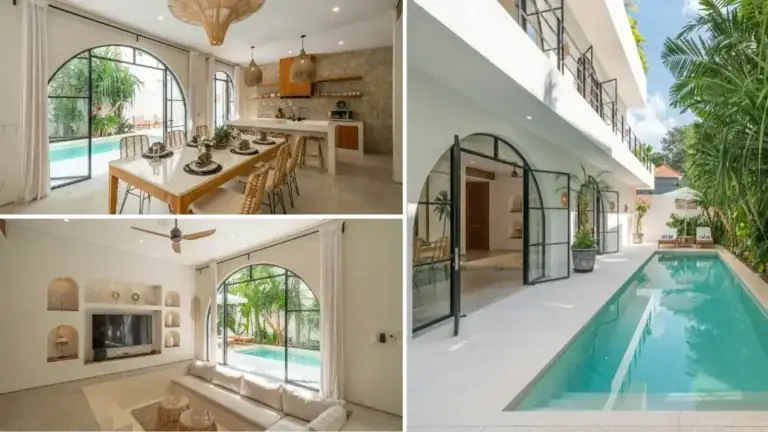
Best Boutique Villas for Corporate Hosting: Executive Retreat Guide
Analyzing the intersection of executive leadership strategy, high-end private real estate architecture, and corporate governance reveals an intricate operational ecosystem. When executive boards, corporate retreat planners, and enterprise human resource directors investigate the upper tiers of off-site professional accommodations, they encounter a specialized asset class—independent luxury compounds designed to host executive retreats, board deliberations, and strategic innovation sprints. Unlike traditional corporate hotel conference centers that rely on sterile, windowless ballrooms, standardized banquet catering, and high-volume guest turnover, independent executive estates derive their professional utility from hyper-private architectural layouts, secure fiber-optic connectivity, dedicated conference facilities, and discrete residential hospitality management.
Evaluating these specialized environments requires moving past promotional marketing imagery to examine complex corporate data security protocols, acoustic privacy engineering, commercial catering kitchen capacity, and zoning compliance for business gatherings. From secluded historic Hudson Valley estates and coastal California architectural compounds to alpine mountain chalets and sunbelt secluded ranches, securing a seamless professional environment demands profound administrative foresight. Consequently, approaching these distinctive properties solely through leisure hospitality lenses introduces severe operational vulnerabilities, requiring rigorous critical analysis from experienced corporate event directors and enterprise asset managers alike.
This reference manual provides an exhaustive structural, historical, and operational framework for analyzing, interpreting, and managing elite executive residential properties across the nation’s premier corporate corridors. The following sections dissect systemic historic evolution, analytical mental models, asset typology operational structures, and long-term governance protocols to establish a definitive professional standard for understanding the sector without relying on promotional tropes.
Understanding “best boutique villas for corporate hosting”
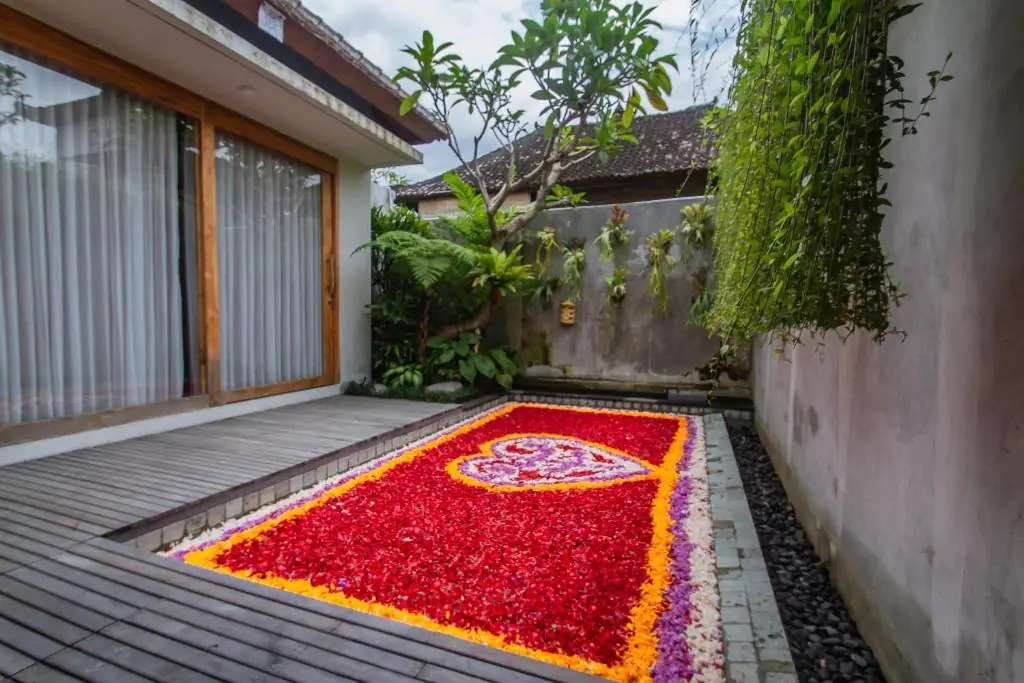
When industry analysts and corporate strategists investigate the best boutique villas for corporate hosting, the primary objective is decoding how unique architectural zoning, secure network infrastructure, confidential meeting spaces, and discrete staffing models influence both executive productivity and strategic outcome security. However, a common pitfall involves treating independent high-end residential compounds like standard vacation rentals while completely ignoring the absence of enterprise-grade IT redundancy and the legal complexities of hosting corporate board deliberations off-site.
A widespread misconception views premier corporate retreat venues through a purely aesthetic lens, reducing complex acoustic isolation requirements, encrypted fiber infrastructure, and ergonomic boardroom design to mere interior design preferences. Consequently, this oversimplification ignores the profound structural differences between casual leisure hosting and high-stakes executive strategy sessions where trade secrets and material non-public information are actively discussed. In reality, mastering the structural analysis requires examining the friction between maintaining relaxed residential comfort and enforcing rigorous physical and digital security.
Relying on uncritical generalizations introduces severe analytical vulnerabilities. When corporate planners gloss over local zoning restrictions on corporate gatherings, ignore commercial fire safety codes for multi-room occupancy, or fail to audit underlying Wi-Fi bandwidth limitations, small administrative oversights compound into major legal and financial liabilities. True professional appraisal demands rigorous technical auditing, direct examination of property infrastructure, and an honest accounting of how properties perform under intense corporate professional stress across different geographic regions.
Deep Contextual Background
The evolution of independent executive residential hosting across the United States reflects a century-long transformation in corporate management philosophy, telecommunications infrastructure, and changing executive lifestyle preferences. Early twentieth-century high-level corporate retreats concentrated around private executive hunting clubs, rustic Adirondack great camps, and secluded coastal compounds owned directly by legacy industrial conglomerates, maintaining formal, highly hierarchical administrative structures.
The late twentieth and early twenty-first centuries marked a profound corporate turning point with the decentralization of work, the rise of agile tech startups, and the shift toward experiential team-building away from traditional corporate headquarters. While these cultural shifts democratized executive off-sites, they introduced complex legal and technological hurdles, including the need for secure, encrypted high-speed data connections, NDA-compliant staffing contracts, and strict zoning enforcement for commercial business use in residential zones. The emergence of specialized corporate retreat advisory syndicates demonstrated that modern enterprises increasingly required sophisticated legal and engineering frameworks to protect and operate these unique professional off-sites.
As corporate remote work matured, the demand for transparency and operational safety while preserving executive confidentiality accelerated the evolution of specialized estate governance protocols. Consequently, studying and categorizing elite corporate hosting assets transitioned from an ad-hoc travel task into a highly rigorous interdisciplinary specialty encompassing corporate law, cybersecurity, enterprise event planning, and risk mitigation strategy.
Conceptual Frameworks and Mental Models
Analyzing complex domestic executive hosting properties requires robust mental models that account for professional environmental exposure, legal jurisdiction, and architectural typology.
The Acoustic Confidentiality vs. Collaborative Openness Gradient
This foundational model evaluates how executive boardrooms and breakout spaces correlate with sound-dampening construction and spatial acoustic isolation. It prevents analytical misjudgements by mapping the trade-offs between collaborative open-plan architecture and absolute boardroom speech privacy across different property layouts.
The Digital Security Infrastructure vs. Residential Aesthetics Ratio
Elite corporate hosting assets must balance robust enterprise-grade Wi-Fi routers, dedicated fiber lines, and secure VPN routing against residential interior design standards. This model tracks technological friction against asset functionality to establish long-term viability.
The Commercial Zoning Compliance vs. Residential Seclusion Axis
Operational workflows must evaluate the financial security and legal stability of hosting business gatherings in legacy residential zones against modern commercial retreat zoning codes. This framework exposes regulatory vulnerabilities before capital commitments are finalized.
The Dedicated Executive Concierge vs. Decentralized Hospitality Hierarchy
This model stratifies operational risk during corporate occupancy, ensuring balanced evaluation of professional corporate butlers versus rotating third-party hospitality staff in secluded estates.
Key Categories and Variations
Mastering the study of best boutique villas for corporate hosting involves navigating distinct regional architectural typologies, each carrying specific engineering requirements and administrative frameworks.
1. Hudson Valley Historic Estate Compounds
Restored Gilded Age manor houses and converted carriage barns tucked into secluded acreage within easy reach of New York financial hubs.
-
Trade-Offs: Delivers unmatched architectural gravitas and proximity to major corporate centers, but requires intensive historic preservation and mechanical modernization.
2. Northern California Silicon Valley Innovation Ranches
Contemporary glass-and-steel architectural compounds situated in wine country hillsides equipped with advanced presentation tech and outdoor breakout areas.
-
Trade-Offs: Provides premier access to tech executive networks and cutting-edge audio-visual infrastructure, but incurs high operating costs and strict county noise ordinances.
3. Rocky Mountain Alpine Executive Chalets
Timber and stone mountain compounds designed for winter and summer executive board retreats featuring private meeting facilities and team-building staging grounds.
-
Trade-Offs: Fosters deep strategic focus and inspiring natural isolation, but involves severe winter weather logistics and seasonal transport vulnerabilities.
4. Pacific Northwest Coastal Boardroom Pavilions
Cantilevered modern compounds overlooking rugged marine coastlines with secure satellite internet and dedicated multi-screen presentation rooms.
-
Trade-Offs: Offers dramatic natural aesthetics and absolute visual privacy, but requires advanced moisture management and high maintenance overhead.
5. Sunbelt Desert Strategic Desert Sanctuaries
Arid architectural compounds featuring climate-controlled indoor-outdoor meeting spaces, private helipads, and high-security perimeter fencing.
-
Trade-Offs: Guarantees year-round weather reliability and total seclusion, but demands intensive HVAC management and remote utility redundancy.
6. New England Coastal Historic Maritime Compounds
Carefully preserved historic maritime estates offering dedicated conference facilities on secluded New England islands or peninsulas.
-
Trade-Offs: Captures iconic regional heritage and serene waterfront isolation, but involves strict municipal historic board oversight and seasonal transport limits.
Operational Comparison Table
| Corporate Villa Typology | Primary Operational Stressor | Regulatory Complexity | Maintenance Overhead | Ideal Asset Profile |
| Hudson Valley Historic Estates | Historic utility & wiring capacity | High (Historic preservation boards) | High (Historic masonry & timber upkeep) | Executive board retreats |
| Silicon Valley Ranches | County noise & zoning limits | Moderate (County planning codes) | Moderate (Tech & HVAC maintenance) | Tech leadership & innovation sprints |
| Rocky Mountain Alpine Chalets | Winter weather & transport | Moderate (County building codes) | High (Snow-load & heating upkeep) | Strategic planning & vision off-sites |
| PNW Coastal Boardroom Pavilions | Marine corrosion & isolation | High (Environmental commissions) | High (Glazing & weatherproofing) | High-security executive strategy |
| Sunbelt Desert Sanctuaries | Extreme heat & dust loading | Moderate (Municipal codes) | High (HVAC & cooling infrastructure) | Year-round executive roundtables |
Realistic Decision Logic
When corporate planners, board directors, or executive procurement managers evaluate the best boutique villas for corporate hosting, decision logic must prioritize secure network infrastructure, acoustic privacy, and zoning legality above mere aesthetic appeal. If an enterprise evaluates a corporate hosting venue using criteria designed for leisure family vacations—where internet speed is secondary and noise ordinances are flexible—the resulting off-site will suffer from major IT failures, confidentiality breaches, and legal penalties. Observers must weigh architectural uniqueness against the specific infrastructural demands of professional corporate events.
Detailed Real-World Scenarios
Practical analytical scenarios illustrate how recognizing corporate IT security, acoustic privacy, and zoning laws prevents asset management failure across diverse domestic markets.
Case Study A: The Hudson Valley Estate Secure IT Retrofit
An enterprise technology company acquiring a historic manor house in the Hudson Valley for recurring executive board retreats resolved a major connectivity and data security vulnerability by installing a dedicated dark-fiber line and secure enterprise firewall network.
-
Constraints: Thick stone walls blocking standard residential Wi-Fi signals; strict corporate data security and NDA requirements.
-
Decision Points: Management evaluated whether to rely on commercial satellite internet or trench a dedicated underground fiber-optic cable across historic property grounds.
-
Failure Modes Identified: Standard residential broadband proved incapable of handling simultaneous multi-location video conferencing and encrypted VPN tunneling for forty executives.
-
Second-Order Effects: Trenching fiber across historic estate grounds required careful archaeological clearance to avoid disturbing nineteenth-century landscape features.
-
Resolution: Installing a commercial-grade enterprise mesh network paired with dedicated fiber successfully delivered ultra-fast, secure connectivity without altering historic interiors.
Field Incident B: The Silicon Valley Innovation Ranch County Noise Enforcement
A venture capital syndicate hosting an executive summit at a modern architectural compound in the hills above Silicon Valley faced severe municipal fines and a shut-down warning when evening networking receptions breached strict county decibel limits.
-
Constraints: Strict rural-residential county noise ordinances; close proximity to sensitive residential neighbors; open-air patio design.
-
Decision Points: Coordinators assessed whether to curtail all outdoor evening programming or install professional acoustic baffling and sound-monitoring hardware.
-
Failure Modes Identified: Relying on verbal reminders to guests failed to control ambient sound levels during high-energy evening receptions.
-
Second-Order Effects: Local code enforcement officers issued formal stop-activity warnings that interrupted critical investor networking sessions.
-
Resolution: Deploying directional outdoor acoustic speakers, automated decibel-limiting controls, and mandatory indoor evening transitions resolved compliance issues permanently.
Operational Deployment C: The Rocky Mountain Alpine Chalet Winter Transport Contingency
A Fortune 500 executive team executing an annual strategy retreat at an isolated alpine chalet in Colorado successfully maintained schedule integrity despite a severe blizzard that closed local mountain passes.
-
Constraints: High-altitude mountain weather volatility; single-lane access roads; tight executive scheduling requirements.
-
Decision Points: Planners compared relying on standard commercial shuttle vans versus contracting dedicated 4×4 executive transport and on-site helicopter landing clearance.
-
Failure Modes Identified: Standard passenger vehicles became stranded on unplowed mountain access roads, delaying keynote strategy sessions by hours.
-
Second-Order Effects: Transport delays compressed critical governance agendas and damaged executive morale.
-
Resolution: Pre-arranging continuous heavy-duty snow-clearing services and a backup helicopter transport protocol guaranteed seamless executive arrivals regardless of weather conditions.
Operational Deployment D: The Pacific Northwest Coastal Boardroom Acoustic Upgrade
A private equity firm utilizing a coastal compound in Washington state for confidential merger negotiations resolved an acoustic leakage vulnerability that compromised boardroom privacy across adjacent open-plan glass corridors.
-
Constraints: Floor-to-ceiling single-pane glass architecture; hollow interior partition walls; high-stakes confidential M&A discussions.
-
Decision Points: Investigators evaluated whether to rebuild entire interior walls or install specialized acoustic glass inserts and sound-masking white-noise systems.
-
Failure Modes Identified: Standard glass conference rooms allowed confidential financial figures to carry clearly into adjacent dining and lounge areas.
-
Second-Order Effects: Lacking acoustic privacy forced executives to conduct sensitive conversations outdoors, exposing them to environmental noise and visual surveillance.
-
Resolution: Retrofitting double-glazed acoustic laminated glass and integrating active sound-masking emitters secured absolute conversational privacy.
Planning, Cost, and Resource Dynamics
Administering an effective operational and financial protocol for elite corporate hosting properties requires understanding the economic relationship between IT infrastructure investments, commercial catering overhead, and corporate liability insurance.
Direct and Indirect Financial Realities
When analyzing high-end corporate retreat venue management, investigators must weigh upfront data security and acoustic engineering costs against the immense financial exposure of data breaches, zoning fines, and executive schedule disruptions. Failing to allocate resources for professional enterprise infrastructure creates fragile venues that fail under corporate professional stress.
Opportunity Cost and Resource Allocation
Coordinators must balance intensive corporate customization timelines against broader asset revenue goals. Over-allocating time to leisure amenities yields diminishing returns, while ignoring core corporate realities—such as redundant power supplies, enterprise IT bandwidth, and ergonomic boardroom seating—exposes properties to severe operational failure.
Financial and Resource Allocation Range Table
| Corporate Hosting Phase | Typical Time Investment | Resource Requirement | Financial Impact | Economic Return |
| Enterprise IT & Security Audit | 10 – 20 Hours / Property | Cybersecurity & network engineers | Prevents data breaches | High (secures confidential sessions) |
| Acoustic & Boardroom Retrofit | 15 – 30 Hours / Asset | Acoustic consultants & contractors | Ensures speech privacy | Critical for confidential meetings |
| Zoning & Compliance Verification | 8 – 15 Hours / Venue | Corporate legal counsel | Prevents municipal fines | High regulatory certainty |
| Catering & Kitchen Capacity Upgrade | 10 – 20 Hours / Facility | Commercial kitchen specialists | Supports executive dining | Essential for premium hospitality |
Tools, Strategies, and Support Systems
Executing precise asset management and operational oversight for unique corporate hosting properties requires specialized digital tools, secure legal ledgers, and technical checklists.
1. Enterprise Network and Cybersecurity Auditing Software
Deploying digital diagnostic tools that verify firewall integrity, VPN throughput, Wi-Fi encryption standards, and bandwidth stability.
2. Specialized Corporate Event Management and Scheduling Platforms
Using integrated logistics software to coordinate executive arrivals, dietary restrictions, session scheduling, and breakout room rotations.
3. Real-Time Acoustic and Environmental Monitoring Tools
Integrating IoT decibel meters and climate sensors to track meeting room temperature, humidity, and ambient sound isolation.
4. Independent Corporate Legal and Compliance Advisory Networks
Retaining specialized regional attorneys familiar with local commercial zoning laws, short-term corporate gathering permits, and guest liability waivers.
5. Secure Corporate Lease and Contract Repositories
Storing all venue rental agreements, NDA templates, catering contracts, and insurance certificates in a single encrypted digital platform.
6. Automated Power Redundancy and UPS Monitors
Deploying smart-monitoring systems that verify backup generator readiness, uninterruptible power supply (UPS) status, and emergency lighting circuits.
Risk Landscape and Failure Modes
Failing to properly address technological, acoustic, and regulatory realities in unique corporate hosting properties exposes corporations and venue owners to compounding legal, financial, and reputational risks.
Severe Data Security and Confidentiality Breaches
Underestimating inadequate Wi-Fi encryption, unsecured network routers, and poor acoustic isolation that expose sensitive corporate strategy and financial data.
Complex Municipal Zoning and Permit Violations
Hosting commercial corporate gatherings in residential zones without obtaining proper conditional use permits, leading to municipal shut-downs and fines.
Critical Power and Infrastructure Failures
Experiencing sudden electrical grid outages during live board presentations or key strategic votes without maintaining robust backup generator redundancy.
Governance, Maintenance, and Long-Term Adaptation
Administering long-term quality control over elite corporate hosting properties requires disciplined review cycles, regulatory auditing, and systematic maintenance checklists.
-
Pre-Retreat Technical Audits: Reconcile all enterprise network firewalls, backup power generators, audio-visual display systems, and HVAC climate controls prior to every executive arrival.
-
Annual Municipal Compliance Reviews: Evaluate local commercial zoning ordinances, tax compliance filings, and corporate hosting permit renewals continuously across all portfolio assets.
-
Layered Property Governance Checklist:
-
Verify all commercial use permits, corporate gathering licenses, and NDA protocols in writing.
-
Inspect enterprise IT infrastructure, fiber connections, and boardroom display hardware for redundancy.
-
Maintain robust physical security measures, including gated perimeters, secure keyless entry logs, and discreet staff vetting.
-
Ensure comprehensive insurance coverage addressing corporate event liabilities, professional indemnity, and property casualty valuations.
-
Measurement, Tracking, and Evaluation
Assessing the ongoing operational efficiency and corporate satisfaction of elite hosting properties involves monitoring both qualitative and quantitative indicators.
Leading and Lagging Indicators
Leading indicators include enterprise network uptime percentages, preventative IT maintenance frequency, zoning compliance verification scores, and pre-event checklist completion rates. Conversely, lagging indicators reflect venue management failures, including meeting downtime incidents, noise complaint fines, data connection drops, and corporate client churn.
Common Misconceptions and Oversimplifications
1. The best boutique villas for corporate hosting operate under standard residential leisure rental guidelines.
Corporate hosting properties require rigorous commercial zoning permits, enterprise IT infrastructure, and specialized liability insurance that far exceed standard leisure vacation rentals.
2. Beautiful interior design and scenic acreage guarantee a successful executive retreat.
While visual aesthetics enhance the retreat atmosphere, they cannot compensate for inadequate Wi-Fi bandwidth, poor boardroom acoustics, or uncomfortable ergonomic seating.
3. Standard residential internet routers are sufficient for high-level executive strategy sessions.
Enterprise executives require dedicated high-speed fiber lines, secure VPN tunnels, and robust firewalls to protect confidential data during remote work sessions.
4. Corporate off-sites do not require specialized acoustics if the property is located in a secluded rural area.
Secluded properties still require internal acoustic isolation between boardrooms and open living spaces to prevent conversational leakage during sensitive discussions.
5. Catering a corporate retreat requires only a standard residential kitchen and local grocery delivery.
High-end executive hosting demands commercial-grade refrigeration, professional prep space, and specialized chef staffing to execute multi-course business dinners flawlessly.
6. Municipal zoning boards view corporate executive retreats the same as family holiday gatherings.
Many municipal jurisdictions draw strict legal distinctions between personal family use and commercial corporate events, requiring formal conditional use permits.
Ethical, Practical, and Contextual Considerations
Mastering the implementation of elite corporate hosting management extends beyond financial revenue generation into corporate governance, data privacy, and ethical stewardship. When enterprise leaders and venue managers operate executive compounds for high-stakes strategic sessions, they carry a professional obligation to protect confidential trade secrets, respect local residential zoning communities, and maintain impeccable ethical standards. By integrating rigorous cybersecurity, transparent regulatory compliance, and professional asset maintenance, stakeholders ensure their operations honor long-term intellectual honesty while delivering dependable, authoritative results.
Conclusion
Mastering the structural, regional, and administrative principles required to successfully manage properties associated with the best boutique villas for corporate hosting is essential for achieving true topical authority and long-term asset profitability. Relying on generalized leisure real estate assumptions, unverified IT capabilities, and opaque zoning compliance guarantees operational distress and professional embarrassment. By investing in rigorous enterprise network audits, acoustic engineering, zoning compliance planning, and disciplined data tracking, stakeholders secure a highly dependable operating framework. Ultimately, rigorous intellectual stewardship transforms complex corporate retreat challenges into clear, deeply understood realities.