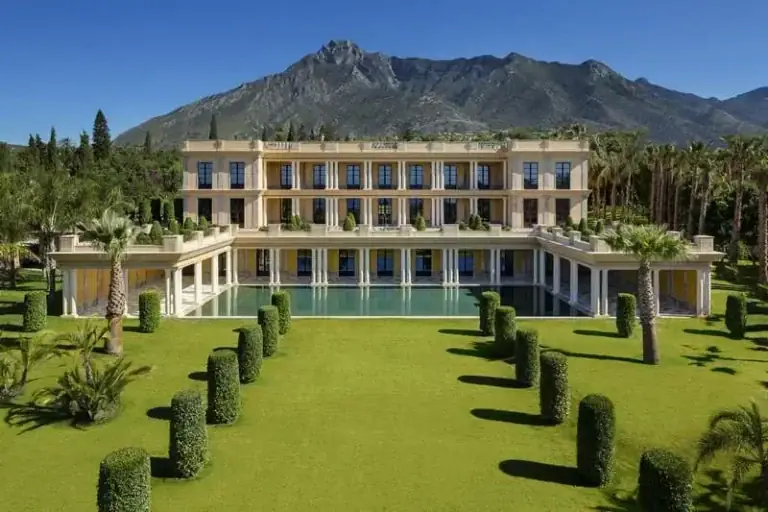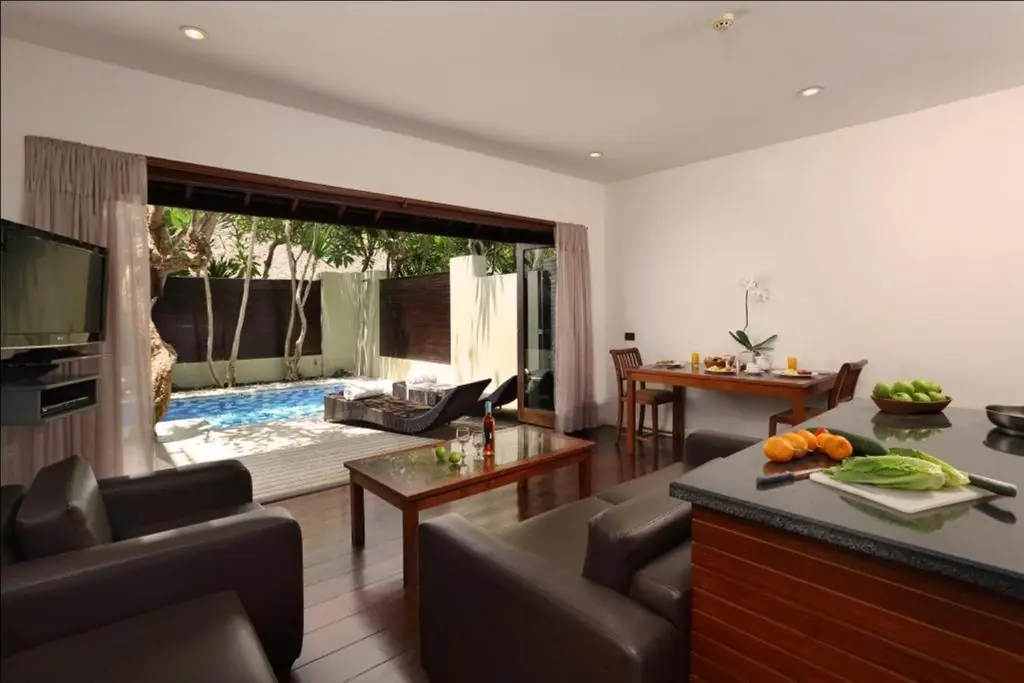
Best Downtown Boutique Villas United States: Urban Luxury Reference
Analyzing the spatial economics, architectural typologies, and administrative frameworks of elite urban accommodations across North America reveals an intricate intersection of high-density zoning laws, historic preservation mandates, and decentralized hospitality management. When real estate economists, urban historians, and high-net-worth travelers investigate the upper echelons of metropolitan lodging, they encounter a specialized asset class—independent luxury urban compounds that marry the isolated privacy of a traditional countryside villa with the cultural immediacy of a city center. Unlike standardized commercial high-rise hotels that replicate corporate guest rooms across predictable urban nodes, independent luxury townhomes, courtyard estates, and converted historic carriage houses derive their operational character from hyper-local municipal zoning codes, historic district overlays, and distinct metropolitan micro-climates.
Evaluating these unique properties requires moving past promotional marketing imagery to examine complex urban infrastructure constraints, historic facade easements, municipal parking variances, and rigorous acoustic isolation engineering. From the converted brick townhouses of historic eastern seaboard corridors and the sun-drenched garden courtyards of southern metropolises to the modernist infill compounds of western urban centers, securing an exclusive central residential leisure experience demands profound administrative foresight. Consequently, approaching these distinctive urban sanctuaries solely through superficial aesthetic lenses introduces severe operational vulnerabilities, requiring rigorous critical analysis from experienced asset directors and hospitality researchers alike.
This reference manual provides an exhaustive structural, historical, and operational framework for analyzing, interpreting, and managing elite urban residential properties across the nation’s premier metropolitan cores. The following sections dissect systemic historic evolution, analytical mental models, asset typology operational structures, and long-term governance protocols to establish a definitive professional standard for understanding the sector without relying on promotional tropes.
Understanding “best downtown boutique villas united states”

When industry analysts and luxury hospitality researchers investigate the best downtown boutique villas united states, the primary objective is decoding how unique architectural positioning, urban zoning regulations, historic preservation restrictions, and decentralized asset management influence both capital appreciation and operational resilience. However, a common pitfall involves treating independent high-end urban compounds like standard commercial hotel properties while completely ignoring the absence of centralized corporate infrastructure and the complexity of municipal short-term rental laws.
A widespread misconception views premier urban residential assets through a purely aesthetic lens, reducing complex structural engineering, historic preservation mandates, and acoustic isolation requirements to mere interior design preferences. Consequently, this oversimplification ignores the profound structural differences between suburban resort complexes and dense urban infill logistics, or between federal property standards and restrictive municipal zoning board edicts. In reality, mastering the structural analysis requires examining the friction between maintaining elite architectural transparency and navigating rigorous downtown building codes.
Relying on uncritical generalizations introduces severe analytical vulnerabilities. When observers gloss over urban noise mitigation standards, ignore historic district facade alteration bans, or fail to audit underlying property zoning classification rights, small administrative oversights compound into major legal and financial liabilities. True professional appraisal demands rigorous structural auditing, direct examination of regional municipal codes, and an honest accounting of how properties perform under intense urban environmental and regulatory stress across different domestic cities.
Deep Contextual Background
The evolution of independent luxury residential urban hospitality across the United States reflects a century-long transformation in downtown land-use economics, historic preservation movements, and changing affluent demographic preferences. Early twentieth-century high-end urban travel in North America concentrated around grand metropolitan railway hotels and luxury apartment towers, maintaining formal, highly centralized hospitality staffing structures.
The late twentieth and early twenty-first centuries marked a profound administrative turning point with the codification of strict historic preservation districts, the revitalization of urban core neighborhoods, and the commercialization of boutique residential hospitality. While these urban renewal movements protected architectural heritage, they introduced complex legal hurdles, including strict limits on structural facade alterations, mandatory historic board reviews, and rigorous short-term zoning enforcement. The emergence of specialized asset management syndicates demonstrated that affluent owners and travelers increasingly required sophisticated legal and engineering frameworks to protect and operate these unique urban estates.
As domestic urban tourism matured, the demand for transparency and operational safety while preserving architectural singularity accelerated the evolution of specialized estate governance protocols. Consequently, studying and categorizing elite downtown residential assets transitioned from an ad-hoc real estate task into a highly rigorous interdisciplinary specialty encompassing urban planning, historic preservation law, hospitality economics, and risk mitigation strategy.
Conceptual Frameworks and Mental Models
Analyzing complex domestic urban residential properties requires robust mental models that account for metropolitan environmental exposure, legal jurisdiction, and architectural typology.
The Urban Acoustic Isolation vs. Streetscape Vibrancy Gradient
This foundational model evaluates how high-decibel downtown environmental stressors—such as emergency vehicle sirens, commercial delivery traffic, and pedestrian nightlife—correlate with structural acoustic insulation overhead. It prevents analytical misjudgements by mapping the trade-offs between open-air urban connectivity and complete sound dampening across different city centers.
The Historic Preservation Mandate vs. Modern Comfort Ratio
Elite urban estates must balance strict historic preservation district rules and facade conservation laws against modern luxury HVAC, seismic retrofitting, and smart-home technology integration. This model tracks regulatory friction against asset functionality to establish long-term viability.
The Municipal Zoning Variance vs. Density Restriction Axis
Operational workflows must evaluate the financial security and legal stability of legacy residential zoning against modern mixed-use downtown zoning overlays. This framework exposes regulatory vulnerabilities before capital commitments are finalized.
The Standalone Urban Asset Management vs. Decentralized Hospitality Hierarchy
This model stratifies operational risk during guest occupancy, ensuring balanced evaluation of dedicated resident estate caretakers versus rotating third-party property management companies in dense urban cores.
Key Categories and Variations
Mastering the study of the best downtown boutique villas united states involves navigating distinct regional architectural typologies, each carrying specific engineering requirements and administrative frameworks.
1. Historic Eastern Seaboard Converted Carriage Houses
Restored brick and timber structures tucked behind historic main streets in northeastern metropolitan centers like Boston, Philadelphia, and Charleston.
-
Trade-Offs: Delivers unmatched architectural provenance and pedestrian urban access, but requires intensive structural timber preservation and damp-proofing.
2. Southern Courtyard Garden Compounds
Gated masonry estates featuring private interior tropical or subtropical garden courtyards in historic southern urban cores like Savannah and New Orleans.
-
Trade-Offs: Offers exceptional privacy amidst bustling downtown environments, but demands active climate and humidity management.
3. Western Modernist Infill Urban Pavilions
Contemporary steel, glass, and concrete architectural compounds integrated into dense downtown grids across cities like Austin, Denver, and Seattle.
-
Trade-Offs: Provides striking contemporary design and open-plan living, but involves strict municipal setback rules and high solar heat-gain mitigation costs.
4. Midwestern Industrial-Chic Loft Penthouses
Expansive multi-level live-work compounds carved into historic cast-iron and masonry warehouses in Chicago and Minneapolis.
-
Trade-Offs: Preserves dramatic ceiling heights and industrial character, but requires complex mechanical retrofitting and strict association rules.
5. Sunbelt Urban Oasis Townhome Compounds
Multi-story residential enclaves with private plunge pools and secure subterranean parking located in rapidly expanding southwestern metropolises like Dallas and Phoenix.
-
Trade-Offs: Combines modern luxury amenities with central downtown proximity, but demands intensive cooling infrastructure and dust mitigation.
6. Pacific Coastal Historic Victorian Enclaves
Carefully preserved late-nineteenth-century architectural compounds positioned within walkable urban neighborhoods in San Francisco and Portland.
-
Trade-Offs: Captures iconic regional architectural heritage, but involves stringent historic board oversight and seismic reinforcement requirements.
Operational Comparison Table
| Urban Villa Typology | Primary Environmental Stressor | Regulatory Complexity | Maintenance Overhead | Ideal Asset Profile |
| Historic Carriage Houses | Urban moisture & settling | High (Historic preservation boards) | High (Timber & masonry upkeep) | Architectural heritage enthusiasts |
| Southern Courtyard Compounds | High humidity & subtropical storms | High (Historic & zoning boards) | High (HVAC & masonry care) | Privacy seekers in historic cores |
| Western Modernist Pavilions | Solar heat gain & seismic risk | Moderate (City building codes) | Moderate (Glazing & HVAC upkeep) | Contemporary design connoisseurs |
| Industrial-Chic Lofts | Structural vibration & noise | Moderate (Association rules) | Moderate (Mechanical riser care) | Urban loft and art aficionados |
| Sunbelt Townhome Enclaves | Extreme summer heat & dust | Moderate (Municipal codes) | High (Cooling system maintenance) | Centralized business travelers |
Realistic Decision Logic
When asset managers or high-net-worth buyers evaluate the best downtown boutique villas united states, decision logic must prioritize municipal zoning compliance, historic preservation restrictions, and acoustic isolation engineering above mere aesthetic appeal. If an investor evaluates an urban property using criteria designed for suburban resort real estate—where land footprints are expansive and environmental codes are static—the resulting asset will suffer from severe regulatory penalties and operational friction. Observers must weigh architectural uniqueness against the specific infrastructural demands of each metropolitan core.
Detailed Real-World Scenarios
Practical analytical scenarios illustrate how recognizing urban zoning constraints, historic preservation laws, and acoustic vulnerabilities prevents asset management failure across diverse domestic metropolitan markets.
Case Study A: The Charleston Historic Carriage House Acoustic Retrofit
An investment group acquiring a historic brick carriage house in downtown Charleston resolved a major guest complaint regarding street-level carriage noise by executing a comprehensive acoustic isolation and window replacement retrofit.
-
Constraints: Strict historic board oversight prohibiting exterior facade alterations; high ambient horse-drawn carriage and pedestrian street noise.
-
Decision Points: Management evaluated whether to install interior secondary glazing panels or replace existing windows with custom historical wood-replica acoustic glass.
-
Failure Modes Identified: Standard double-paned modern windows were rejected immediately by the local board of architectural review for violating historic guidelines.
-
Second-Order Effects: Sourcing custom laminated acoustic glass matching exact historical muntin profiles required extended manufacturing lead times and specialized labor.
-
Resolution: Installing interior-mounted magnetic secondary acoustic glazing successfully eliminated street noise while maintaining 100 percent exterior historic compliance.
Field Incident B: The Savannah Courtyard Drainage and Foundation Stabilization
A luxury historic urban compound in downtown Savannah experienced severe subsurface moisture accumulation and foundation settling due to clogged historic brick drainage systems and torrential seasonal rainfalls.
-
Constraints: Strict archaeological protection laws; high water table; restricted heavy machinery access in tight urban courtyards.
-
Decision Points: Coordinators assessed whether to excavate the entire courtyard using heavy trenching equipment or deploy manual micro-tunnelling and French drain insertion.
-
Failure Modes Identified: Heavy mechanical excavation risked disturbing underground historic artifacts and violating city archaeological preservation ordinances.
-
Second-Order Effects: Subsurface moisture threatened interior heart-pine flooring, requiring delicate structural jacking and moisture remediation.
-
Resolution: Hand-dug subterranean drainage networks paired with sump pump integration successfully stabilized foundations without triggering archaeological violations.
Operational Deployment C: The Austin Downtown Infill Zoning Variance
An institutional family office managing a modern urban villa compound in downtown Austin successfully secured a rare parking variance and short-term operational permit through proactive community engagement.
-
Constraints: Strict municipal parking minimums; dense urban commercial zoning overlay; neighbor opposition to transient hospitality use.
-
Decision Points: Planners compared fighting the city zoning board through lengthy litigation versus redesigning the property layout to incorporate shared EV charging and bicycle infrastructure.
-
Failure Modes Identified: Initial zoning board applications faced immediate rejection due to insufficient off-street parking allocations.
-
Second-Order Effects: Resolving parking friction required partnering with adjacent commercial garages to secure dedicated long-term guest spaces.
-
Resolution: Comprehensive traffic-mitigation proposals and sustainable transport incentives persuaded city council members to approve the operational variance.
Operational Deployment D: The Chicago Loft Penthouse Mechanical Upgrade
A luxury residential syndicate managing an industrial-chic urban loft compound in downtown Chicago upgraded their climate control infrastructure to handle extreme winter freeze-thaw cycles and summer humidity.
-
Constraints: Historic masonry structural load limits; multi-story vertical ductwork routing constraints; strict building association rules.
-
Decision Points: Investigators evaluated whether to install traditional rooftop condenser units or deploy high-efficiency variable-refrigerant-flow (VRF) split systems.
-
Failure Modes Identified: Rooftop structural weight restrictions prevented the placement of heavy traditional chiller equipment without costly steel reinforcement.
-
Second-Order Effects: Routing refrigerant lines through historic interior timber framing required intricate architectural concealment and fire-stopping.
-
Resolution: Deploying lightweight, modular VRF heat pumps balanced interior climate demands while respecting historic load-bearing limits.
Planning, Cost, and Resource Dynamics
Administering an effective operational and financial protocol for elite downtown residential properties requires understanding the economic relationship between specialized urban logistics hours, historic preservation compliance, and municipal tax assessments.
Direct and Indirect Financial Realities
When analyzing high-end urban property management, investigators must weigh upfront historic preservation and acoustic engineering costs against the immense financial exposure of municipal code violations, parking fines, and structural degradation. Failing to allocate resources for historic material maintenance creates fragile assets that deteriorate rapidly under urban environmental stress.
Opportunity Cost and Resource Allocation
Coordinators must balance intensive historic board review timelines against broader asset revenue goals. Over-allocating time to minor cosmetic updates yields diminishing returns, while ignoring core infrastructural realities—such as seismic retrofitting, plumbing riser replacements, and acoustic dampening—exposes properties to severe financial risk.
Financial and Resource Allocation Range Table
| Urban Management Phase | Typical Time Investment | Resource Requirement | Financial Impact | Economic Return |
| Historic Board Review Audit | 6 – 12 Hours / Property | Specialized preservation legal counsel | Prevents stop-work orders | High (secures legal operating status) |
| Acoustic & Structural Retrofit | 10 – 25 Hours / Asset | Acoustic engineers & historic masons | Protects against urban noise | Critical for guest satisfaction |
| Zoning & Permitting Compliance | 8 – 15 Hours / System | Municipal zoning consultants | Ensures operational continuity | High regulatory certainty |
| Foundation & Drainage Maintenance | 4 – 8 Hours / Estate | Geotechnical & preservation experts | Maintains structural stability | Essential for asset preservation |
Tools, Strategies, and Support Systems
Executing precise asset management and operational oversight for unique downtown residential properties requires specialized digital tools, secure legal ledgers, and technical checklists.
1. Municipal Zoning and Historic Preservation Portals
Deploying digital databases that track city council code amendments, historic district boundary expansions, and local building permit histories.
2. Specialized Urban Acoustic and Environmental Monitoring Software
Using IoT decibel meters and vibration sensors to track ambient street noise levels and structural settlement patterns.
3. Real-Time Urban Traffic and Event Intelligence Feeds
Integrating municipal emergency and transit monitoring tools to anticipate downtown street closures, parades, and major convention disruptions.
4. Independent Historic Preservation and Architectural Advisory Networks
Retaining specialized local preservation architects and structural engineers familiar with regional historic building codes and materials.
5. Secure Lease and Asset Management Repositories
Storing all property deeds, municipal permits, historic certification documents, and maintenance logs in a single encrypted digital platform.
6. Automated Urban Access and Security Systems
Deploying smart-lock platforms, encrypted biometric entry, and remote video monitoring to manage secure guest arrivals without physical key handoffs.
Risk Landscape and Failure Modes
Failing to properly address urban environmental, acoustic, and regulatory realities in unique downtown residential properties exposes owners and asset managers to compounding legal, financial, and physical risks.
Severe Urban Acoustic and Vibration Vulnerability
Underestimating ambient downtown noise pollution, heavy transit vibrations, and nightlife disturbances that compromise guest comfort.
Complex Historic Preservation Violations
Executing unpermitted exterior modifications, window replacements, or signage installations that violate strict municipal historic district codes.
Restrictive Municipal Short-Term Rental Regulations
Operating residential compounds without complying with shifting city ordinances, hotel tax collections, and conditional use permit requirements.
Governance, Maintenance, and Long-Term Adaptation
Administering long-term quality control over elite downtown residential properties requires disciplined review cycles, regulatory auditing, and systematic maintenance checklists.
-
Pre-Season Urban Infrastructure Audits: Reconcile all sump pump systems, roof drainage scuppers, acoustic sealants, and smart-lock access batteries prior to heavy urban weather events.
-
Annual Municipal Compliance Reviews: Evaluate city zoning ordinance updates, historic tax credit compliance, and short-term rental license renewals continuously across all portfolio assets.
-
Layered Property Governance Checklist:
-
Verify all local zoning permits, historic board approvals, and conditional use certificates in writing.
-
Inspect structural integrity and acoustic insulation against urban environmental stressors (vibration, traffic noise, settling).
-
Maintain robust digital access control and emergency security monitoring systems tailored for urban settings.
-
Ensure comprehensive insurance coverage addressing metropolitan-specific liabilities, commercial general liability, and historic property replacement costs.
-
Measurement, Tracking, and Evaluation
Assessing the ongoing operational efficiency and asset value preservation of unique downtown residential properties involves monitoring both qualitative and quantitative indicators.
Leading and Lagging Indicators
Leading indicators include historic board permit approval rates, preventative acoustic maintenance scheduling frequency, structural inspection scores, and municipal tax compliance verification. Conversely, lagging indicators reflect asset management failures, including stop-work orders, noise violation fines, zoning disputes, and capital devaluation.
Common Misconceptions and Oversimplifications
1. The best downtown boutique villas united states operate under uniform national hospitality and real estate standards.
Urban boutique properties are governed by highly fragmented municipal, county, and historic district laws, requiring city-specific compliance strategies.
2. Promotional architectural photography guarantees the long-term acoustic serenity of a downtown property.
Stunning aesthetic imagery captures interior design perfection but often conceals severe susceptibility to street-level urban noise and vibration.
3. Downtown urban villas eliminate the logistical complexities associated with suburban or remote estates.
While urban properties offer pedestrian convenience, they frequently face severe parking restrictions, delivery bottlenecks, and street-access limitations.
4. Historic urban buildings require minimal structural maintenance compared to modern high-rise developments.
Century-old brick, timber, and masonry structures suffer from accelerated weathering and settling, requiring specialized, frequent preservation maintenance.
5. Standard residential homeowner insurance policies cover all downtown commercial and short-term rental risks.
High-end urban properties frequently require specialized commercial surplus-lines insurance wrappers to cover guest liabilities and historic restoration valuations.
6. Historic preservation guidelines can be easily bypassed for private luxury interior and exterior upgrades.
Municipal historic boards enforce rigorous preservation laws regardless of property ownership, strictly prohibiting unpermitted exterior modifications.
Ethical, Practical, and Contextual Considerations
Mastering the implementation of elite downtown property management extends beyond financial asset preservation into responsible urban stewardship and community integration. When owners and managers operate luxury compounds in historic city centers, they carry a professional obligation to respect local neighborhood character, support regional preservation standards, and maintain harmonious relationships with surrounding residents and municipal boards. By integrating rigorous historic preservation engineering, transparent regulatory compliance, and robust asset maintenance, stakeholders ensure their operations honor long-term intellectual honesty while delivering dependable, authoritative results.
Conclusion
Mastering the structural, regional, and administrative principles required to successfully manage properties associated with the best downtown boutique villas united states is essential for achieving true topical authority and asset preservation. Relying on generalized real estate assumptions, unverified architectural imagery, and opaque municipal compliance guarantees operational distress and capital loss. By investing in rigorous historic architectural audits, acoustic environmental mitigation, zoning compliance planning, and disciplined data tracking, stakeholders secure a highly dependable operating framework. Ultimately, rigorous intellectual stewardship transforms complex downtown residential challenges into clear, deeply understood realities.