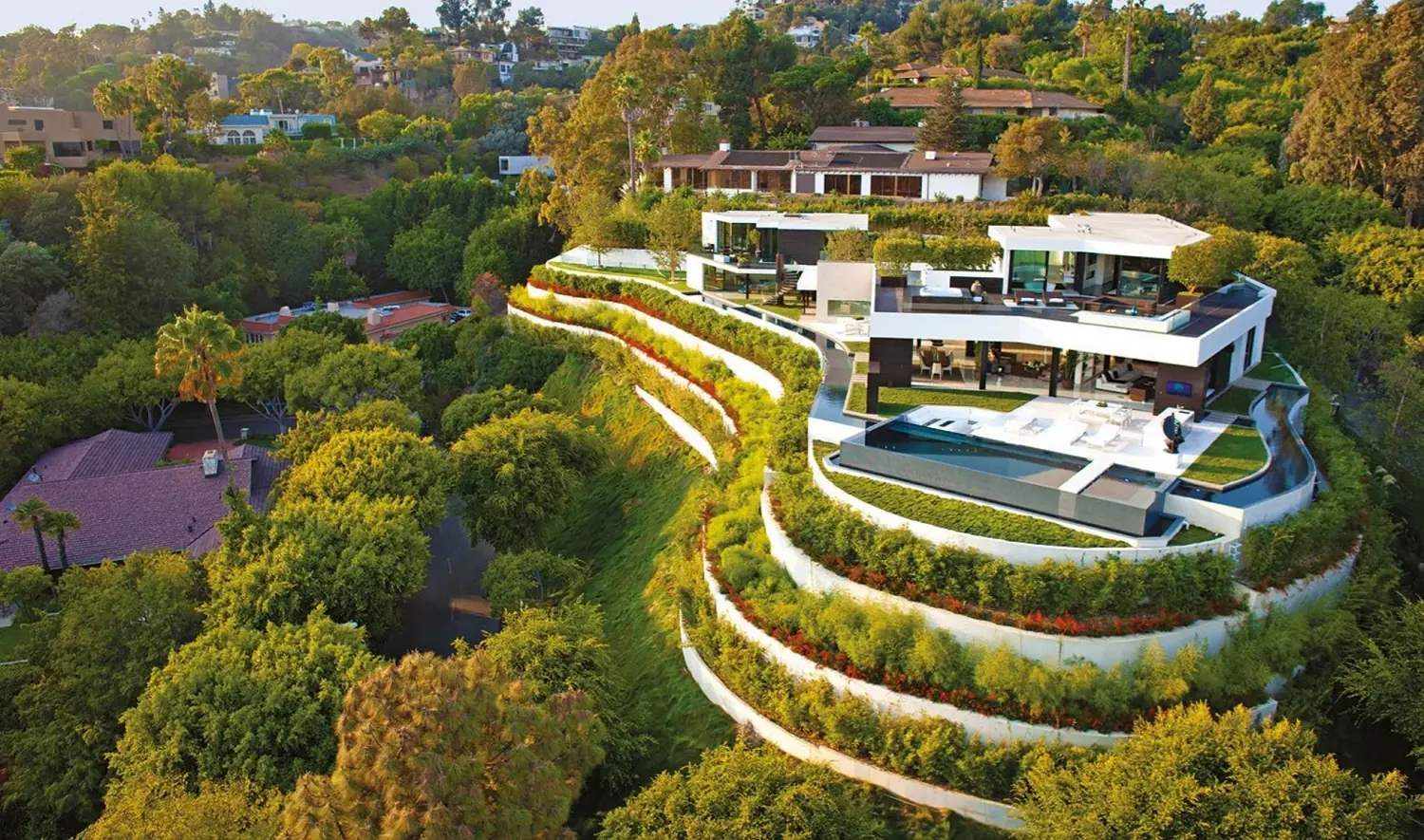
Luxury High Rise Villas USA: Definitive Architecture & Market Guide
Investigating the convergence of horizontal domestic spatial planning and vertical urban density reveals an evolving typology within the North American built environment. When structural engineers, real estate economists, and luxury asset curators examine luxury high rise villas usa, they encounter an intricate synthesis of high-performance curtain-wall engineering, private sky-terrace horticulture, and sophisticated condominium legal frameworks. Unlike conventional suburban ground-level compounds or standardized multi-family high-rise apartments, vertical estates—frequently designated as sky villas—replicate the generous proportions, multi-story floor plates, and absolute privacy of a traditional country villa hundreds of feet above metropolitan street grids.
Analyzing these elevated architectural assets requires moving past promotional marketing brochures to examine structural load transfer mechanics, high-velocity wind tunnel engineering, complex mechanical and electrical riser distributions, and stringent homeowners association governance. From the soaring waterfront towers of Miami and Sunny Isles Beach to the ultra-slim residential needles of Midtown Manhattan and the expansive structural glass penthouses overlooking downtown Chicago, establishing an exclusive vertical residential experience demands rigorous administrative and technical coordination. Consequently, evaluating these unique properties solely through superficial aesthetic or lifestyle lenses introduces severe operational vulnerabilities, requiring deep critical analysis from experienced asset directors and structural consultants alike.
This reference manual provides an exhaustive structural, historical, and operational framework for analyzing, interpreting, and managing elite vertical residential properties across the nation’s premier metropolitan skylines. The following sections dissect systemic historic evolution, analytical mental models, asset typology operational structures, and long-term governance protocols to establish a definitive professional standard for understanding the sector without relying on promotional tropes.
Understanding “luxury high rise villas usa”

When industry analysts and high-end residential researchers investigate luxury high rise villas usa, the primary objective is decoding how vertical structural engineering, specialized mechanical zoning, condominium association governance, and decentralized asset management influence both capital appreciation and operational resilience. However, a common pitfall involves treating these multi-story vertical estates like standard commercial high-rise condominiums while completely ignoring the absence of traditional ground-level footprint autonomy and the complexity of high-altitude micro-climates.
A widespread misconception views unique vertical residences through a purely aesthetic lens, reducing complex structural load balancing, dynamic wind-sway mitigation, and cantilevered terrace engineering to mere interior design trends. Consequently, this oversimplification ignores the profound structural differences between standard single-family horizontal ground villas and vertical multi-floor dwelling units suspended within massive concrete and steel armatures. In reality, mastering the structural analysis requires examining the friction between maintaining expansive architectural transparency and navigating rigorous high-rise building codes.
Relying on uncritical generalizations introduces severe analytical vulnerabilities. When observers gloss over post-tensioned slab limitations, ignore high-altitude waterproofing requirements, or fail to audit underlying condominium association reserve funds, small administrative oversights compound into major legal and financial liabilities. True professional appraisal demands rigorous structural auditing, direct examination of tower mechanical systems, and an honest accounting of how vertical assets perform under severe atmospheric and seismic stress across different metropolitan markets.
Deep Contextual Background
The evolution of vertical luxury residential architecture across the United States reflects a century-long transformation in structural engineering, urban land-value economics, and changing affluent demographic preferences. Early twentieth-century metropolitan luxury concentrated around classic penthouse additions atop masonry and steel-frame apartment buildings in New York and Chicago, where outdoor space was typically restricted to perimeter step-back terraces with minimal structural landscaping.
The late twentieth and early twenty-first centuries marked a profound turning point with the development of high-strength self-consolidating concrete, advanced computational wind-tunnel modeling, and sophisticated post-tensioned floor slab design. These technological leaps permitted structural engineers to cantilever expansive outdoor swimming pools, multi-story open voids, and deep garden terraces hundreds of feet in the air, giving rise to the modern concept of the sky villa. The expansion of branded residential towers managed by premier hospitality operators further demonstrated that affluent buyers increasingly required centralized concierge infrastructure coupled with uncompromising residential scale.
As vertical urban density intensified, the demand for structural transparency and operational safety while preserving architectural singularity accelerated the evolution of specialized high-rise governance protocols. Consequently, studying and categorizing elite vertical residential assets transitioned from a standard real estate transaction into a highly rigorous interdisciplinary specialty encompassing structural engineering, condominium law, vertical logistics, and risk mitigation strategy.
Conceptual Frameworks and Mental Models
Analyzing complex vertical residential properties requires robust mental models that account for atmospheric exposure, structural mechanics, and condominium legal jurisdictions.
The Vertical Wind-Sway vs. Structural Damping Gradient
This foundational model evaluates how high-altitude wind forces, vortex shedding, and seismic shear correlate with structural building movement and occupant comfort. It prevents analytical misjudgements by mapping the trade-offs between rigid structural framing and tuned mass dampers or aerodynamic facade articulation across different metropolitan skylines.
The Floor-Plate Multiplicity vs. Core Service Efficiency Ratio
Elite vertical estates span multiple levels within a shared tower core. This mental model tracks the friction between private elevator integration, vertical plumbing riser placement, and central core efficiency to establish long-term structural viability.
The Condominium Autonomy vs. Master Association Governance Axis
Operational workflows must evaluate the absolute design freedom desired by luxury owners against the rigid architectural control, facade uniformity rules, and shared infrastructure maintenance mandated by master tower associations. This framework exposes regulatory vulnerabilities before capital commitments are finalized.
The Private Vertical Logistics vs. Shared Building Infrastructure Hierarchy
This model stratifies operational risk during major fit-outs or guest occupancy, ensuring balanced evaluation of dedicated service elevators, private loading docks, and centralized tower management protocols.
Key Categories and Variations
Mastering the study of luxury high rise villas usa involves navigating distinct regional architectural typologies, each carrying specific engineering requirements and administrative frameworks.
1. Coastal Waterfront Full-Floor Sky Mansions
Expansive multi-thousand-square-foot vertical estates occupying entire upper floor plates of coastal high-rises in Miami, Sunny Isles Beach, and West Palm Beach.
-
Trade-Offs: Delivers 360-degree ocean panoramas and private terrace swimming pools, but demands rigorous hurricane-impact facade engineering and saltwater corrosion mitigation.
2. Metropolitan Supertall Duplex Penthouses
Vertical compounds spanning two or three levels near the pinnacle of slender residential spires in Midtown Manhattan and Downtown Chicago.
-
Trade-Offs: Offers iconic urban skyline dominance and historic architectural prestige, but involves complex high-altitude climate control and strict elevator zoning.
3. Sunbelt Urban Core Tower Villas
Contemporary multi-story residences integrated into mixed-use luxury towers across high-growth economic hubs like Austin, Dallas, and Atlanta.
-
Trade-Offs: Combines dynamic urban walkability with resort-level shared amenities, but requires navigation of dense urban traffic and master association rules.
4. Pacific Rim Glass Pavilion Towers
Cantilevered vertical estates featuring floor-to-ceiling structural glass and private sky gardens overlooking the bay in San Francisco or Seattle.
-
Trade-Offs: Immerses residents in dramatic maritime and mountain vistas, but mandates advanced seismic isolation engineering and strict solar heat-gain management.
5. Branded Hospitality Managed Sky Residences
Vertical villas integrated directly into elite hotel-branded towers, offering seamless access to white-glove room service and housekeeping.
-
Trade-Offs: Secures effortless turn-key operational management and high resale liquidity, but incurs substantial monthly operating dues and shared public traffic.
6. Historic Adaptive-Reuse Vertical Penthouses
Industrial-chic multi-story compounds carved into the upper tiers of converted turn-of-the-century commercial towers in major metropolitan centers.
-
Trade-Offs: Preserves unique historic structural character and high ceilings, but involves challenging mechanical upgrades and strict historic preservation guidelines.
Operational Comparison Table
| Vertical Villa Typology | Primary Atmospheric Stressor | Regulatory Complexity | Maintenance Overhead | Ideal Asset Profile |
| Coastal Full-Floor Mansions | Hurricane wind & salt spray | High (Coastal & zoning boards) | High (Facade & pool waterproofing) | Waterfront privacy seekers |
| Supertall Duplex Penthouses | High-altitude wind sway | High (Municipal fire & safety) | High (Mechanical riser upkeep) | Urban prestige collectors |
| Sunbelt Urban Core Villas | Intense solar radiation | Moderate (City building codes) | Moderate (HVAC optimization) | Dynamic city professionals |
| Pacific Rim Glass Pavilions | Seismic activity & moisture | High (Seismic & energy codes) | High (Glazing maintenance) | Modernist design connoisseurs |
| Branded Hospitality Towers | Shared guest traffic load | Complex (Hospitality contracts) | High (Monthly maintenance dues) | Turn-key convenience buyers |
Realistic Decision Logic
When asset managers or high-net-worth buyers evaluate luxury high rise villas usa, decision logic must prioritize structural engineering integrity, slab load capacities for private terrace pools, and master association financial health above mere interior square footage. If an investor evaluates a vertical estate using criteria designed for suburban ground villas—where land ownership is absolute and external maintenance is entirely individualized—the resulting asset will suffer from severe operational friction and legal disputes. Observers must weigh architectural ambition against the immutable physical and legal realities of vertical shared towers.
Detailed Real-World Scenarios
Practical analytical scenarios illustrate how recognizing vertical engineering constraints, wind dynamics, and association governance prevents asset management failure across diverse metropolitan markets.
Case Study A: The Miami Waterfront Sky Pool Waterproofing Overhaul
An ownership group managing a full-floor sky villa in Sunny Isles Beach resolved a chronic subsurface water infiltration issue on their cantilevered terrace swimming pool by executing a comprehensive composite membrane and structural drainage retrofit.
-
Constraints: High wind exposure; strict condominium association rules prohibiting noisy daytime construction; complex vertical material hoisting logistics.
-
Decision Points: Management evaluated whether to apply topical liquid sealants or completely demo and rebuild the waterproof membrane and tile substrate.
-
Failure Modes Identified: Initial quick-fix sealants failed within eighteen months due to continuous structural slab deflection under heavy wind loads.
-
Second-Order Effects: Water migration threatened the luxury units situated directly below, triggering emergency legal notices from the master association.
-
Resolution: Precision engineering involving elastomeric composite membranes and decoupled drainage mats permanently resolved the leak while adhering to strict quiet-hours policies.
Field Incident B: The Manhattan Supertall HVAC Riser Balancing Crisis
A multi-story penthouse suite near the top of a slender residential tower in Midtown Manhattan experienced severe interior temperature fluctuations and acoustic resonance due to high-altitude stack effect pressure differentials.
-
Constraints: Extreme vertical height; complex variable-refrigerant-flow (VRF) mechanical zoning; historic architectural preservation guidelines on exterior louvers.
-
Decision Points: Coordinators assessed whether to install secondary interior acoustic dampening enclosures or re-engineer the building’s main vertical pressure-relief dampers.
-
Failure Modes Identified: Standard residential balancing techniques failed because stack effect pressures overpowered the individual apartment’s air-handling units.
-
Second-Order Effects: Excessive whistling noise through door gaps rendered upper-floor bedrooms uninhabitable during winter gale conditions.
-
Resolution: Collaborating with mechanical engineers to install automated pressure-equalization baffles and vibration-isolated compressor mounts restored acoustic and thermal comfort.
Operational Deployment C: The Chicago High-Rise Seismic and Wind-Sway Mitigation
An institutional asset manager overseeing a collection of luxury duplex penthouses along Lake Michigan implemented an advanced structural damping audit following severe regional storm activity.
-
Constraints: High wind-tunnel shear forces off the lake; rigorous municipal safety compliance; multi-story glass curtain-wall vulnerability.
-
Decision Points: Planners compared installing supplemental visco-elastic wall dampers versus recalibrating the building’s active mass damping system.
-
Failure Modes Identified: Unchecked building sway caused micro-fractures in interior stone wall cladding and alignment jams in private elevator doors.
-
Second-Order Effects: High-amplitude movement degraded the perceived luxury experience for high-profile residents and visiting guests.
-
Resolution: Comprehensive structural tuning and upgraded elastomeric frame gaskets successfully mitigated sway perception and protected interior finishes.
Operational Deployment D: The Austin Tower Private Elevator Modernization
A luxury residential syndicate managing a collection of urban core tower villas in downtown Austin upgraded their private biometric elevator access software and security encryption protocols.
-
Constraints: High-speed vertical transit requirements; integrated smart-home automation systems; stringent data privacy standards.
-
Decision Points: Investigators evaluated whether to patch legacy proprietary control software or integrate an open-architecture secure digital access platform.
-
Failure Modes Identified: Proprietary legacy firmware created frequent access delays and integration failures with modern touch-screen home automation panels.
-
Second-Order Effects: Elevator downtime stranded residents and compromised the seamless security expected in ultra-prime vertical properties.
-
Resolution: Deploying an enterprise-grade encrypted access control system streamlined vertical transit while eliminating software bottlenecks.
Planning, Cost, and Resource Dynamics
Administering an effective operational and financial protocol for elite vertical residential properties requires understanding the economic relationship between specialized high-rise logistics hours, condominium association dues, and structural engineering reserves.
Direct and Indirect Financial Realities
When analyzing high-end vertical property management, investigators must weigh upfront structural modification and interior fit-out costs against the immense financial exposure of common-element water damage, facade maintenance assessments, and elevator downtime. Failing to allocate resources for building-wide capital reserve contributions creates fragile financial structures that leave owners vulnerable to sudden special assessments.
Opportunity Cost and Resource Allocation
Coordinators must balance intensive architectural customization hours against master association design review timelines. Over-allocating capital to interior cosmetic upgrades while ignoring base-building mechanical integration yields diminishing returns, while ignoring core structural realities—such as post-tensioned slab loading limits for heavy stone finishes—exposes properties to severe structural compromise.
Financial and Resource Allocation Range Table
| Vertical Management Phase | Typical Time Investment | Resource Requirement | Financial Impact | Economic Return |
| Structural Load & Slab Audit | 8 – 15 Hours / Unit | Structural engineering consultants | Prevents slab overloading | Critical for structural safety |
| Facade & Glazing Inspection | 10 – 20 Hours / Asset | Certified rope-access engineers | Protects against weather breach | High asset preservation value |
| Association Reserve Review | 4 – 8 Hours / Property | Financial & legal analysts | Anticipates special assessments | Essential for fiscal defense |
| Mechanical & HVAC Balancing | 6 – 12 Hours / System | Specialized high-rise technicians | Ensures climate control stability | High operational reliability |
Tools, Strategies, and Support Systems
Executing precise asset management and operational oversight for unique vertical residential properties requires specialized digital tools, secure legal ledgers, and technical checklists.
1. Master Condominium Association Portal and Document Vaults
Deploying encrypted digital repositories that track association bylaws, board meeting minutes, capital reserve studies, and architectural review guidelines.
2. High-Rise Structural Monitoring and Sway Sensor Software
Utilizing real-time IoT accelerometers and strain gauges to track building movement, structural load distribution, and seismic response.
3. Vertical Logistics and Service Elevator Scheduling Platforms
Integrating automated reservation systems to manage contractor access, material hoisting, and moving windows without disrupting building operations.
4. Independent Structural and Facade Engineering Advisory Networks
Retaining specialized high-rise consultants familiar with curtain-wall performance, post-tensioned concrete slabs, and waterproofing details.
5. Smart-Home Automation and Mechanical Integration Hubs
Storing encrypted schematics for integrated lighting, motorized shading, climate zones, and security access panels.
6. Emergency Generator and Life-Safety Power Monitors
Deploying diagnostic tools that verify backup generator readiness, fire-suppression riser pressure, and emergency evacuation intercom networks.
Risk Landscape and Failure Modes
Failing to properly address structural, environmental, and governance realities in unique vertical residential properties exposes owners and asset managers to compounding legal, financial, and physical risks.
Severe Atmospheric and Structural Hazard Vulnerability
Underestimating high-altitude wind pressures, facade water infiltration during severe storms, or structural slab deflection under heavy stone and pool loads.
Complex Condominium Association Restrictions
Executing unpermitted interior layout modifications, plumbing relocations, or balcony alterations that violate master association bylaws or structural engineering limits.
Centralized Building Infrastructure Dependencies
Relying on shared tower mechanical risers, primary elevators, and common-element backup systems without maintaining adequate contingency reserves or independent auxiliary power solutions.
Governance, Maintenance, and Long-Term Adaptation
Administering long-term quality control over elite vertical residential properties requires disciplined review cycles, regulatory auditing, and systematic maintenance checklists.
-
Pre-Season Curtain-Wall Audits: Reconcile all window gasket seals, balcony drainage scuppers, terrace waterproofing membranes, and motorized hurricane shutter mechanisms prior to severe weather seasons.
-
Annual Association Financial Reviews: Evaluate master reserve study funding levels, pending capital improvement projects, and insurance deductible structures continuously across all portfolio assets.
-
Layered Property Governance Checklist:
-
Verify all master association architectural approvals and local municipal permits in writing prior to construction.
-
Inspect structural slab load capacities and post-tension cable locations before installing heavy interior stone or water features.
-
Maintain robust smart-home monitoring systems for water leak detection, humidity control, and electrical load balancing.
-
Ensure comprehensive insurance coverage addressing high-rise specific liabilities, loss of use, and interior betterment valuations.
-
Measurement, Tracking, and Evaluation
Assessing the ongoing operational efficiency and asset value preservation of unique vertical residential properties involves monitoring both qualitative and quantitative indicators.
Leading and Lagging Indicators
Leading indicators include reserve study funding percentages, preventative maintenance compliance rates, facade inspection scores, and association audit completion metrics. Conversely, lagging indicators reflect asset management failures, including special assessments, unresolved water intrusion incidents, chronic elevator outages, and capital devaluation.
Common Misconceptions and Oversimplifications
1. Luxury high rise villas operate under the same operational independence as suburban ground-level estates.
Vertical properties are bound by master condominium declarations, shared structural cores, and association rules that restrict exterior modifications and operational autonomy.
2. Promotional architectural renderings guarantee the long-term weather tightness of high-altitude glass facades.
Stunning marketing visuals capture peak design conditions but often obscure the ongoing challenge of maintaining high-pressure curtain walls against wind-driven rain.
3. Vertical living eliminates the need for exterior property maintenance oversight.
While lawn maintenance is absent, owners remain directly responsible for complex terrace waterproofing, private pool upkeep, and interior mechanical riser servicing.
4. Standard residential insurance policies adequately cover high-rise luxury betterments and displacement costs.
High-end vertical properties frequently require specialized surplus-lines insurance wrappers to cover custom interior finishes, art collections, and alternative luxury housing during building repairs.
5. Private elevator access guarantees absolute isolation from building management and other residents.
While secure elevators provide direct entry, residents share master structural foundations, core utility risers, and common-element amenity spaces.
6. Condominium association boards hold limited power over private sky villa renovations.
Master associations maintain strict legal authority over structural penetrations, plumbing configurations, and exterior aesthetics to protect the integrity of the entire tower.
Ethical, Practical, and Contextual Considerations
Mastering the implementation of elite vertical property management extends beyond financial asset preservation into responsible urban stewardship and community integration. When owners and managers operate luxury compounds within dense metropolitan towers, they carry a professional obligation to respect shared building infrastructure, support sustainable energy efficiency standards, and maintain harmonious relationships with fellow residents and association boards. By integrating rigorous structural engineering, transparent governance compliance, and robust asset maintenance, stakeholders ensure their operations honor long-term intellectual honesty while delivering dependable, authoritative results.
Conclusion
Mastering the structural, regional, and administrative principles required to successfully manage properties among luxury high rise villas usa is essential for achieving true topical authority and asset preservation. Relying on generalized real estate assumptions, unverified architectural imagery, and opaque association compliance guarantees operational distress and capital loss. By investing in rigorous structural engineering audits, atmospheric hazard mitigation, vertical logistics planning, and disciplined data tracking, stakeholders secure a highly dependable operating framework. Ultimately, rigorous intellectual stewardship transforms complex vertical residential challenges into clear, deeply understood realities.