Best Scenic Boutique Villas United States: Definitive Guide
Examining the upper tiers of independent residential hospitality across North America involves navigating a complex ecosystem of secluded architectural compounds, restrictive local zoning ordinances, and specialized property management regimes. When discerning travelers, architectural historians, and high-end asset coordinators investigate the domestic landscape, they study sophisticated residential retreats where historic design preservation intersects with cutting-edge environmental engineering. Furthermore, these premier properties function as intricate lifestyle environments that dictate municipal licensing rules, structural maintenance schedules, and long-term asset performance across varied domestic geographies.
Analyzing these specialized accommodation categories demands moving past conventional mass-market hotel chains or generic booking portals to explore independent property syndicates, regional zoning variances, and bespoke architectural preservation mandates. From cliffside modernist compounds along the Pacific coastline to historic wine-country estates in Northern California and isolated desert sanctuaries in the American Southwest, domestic high-end property leasing presents profound operational challenges. Consequently, approaching exclusive property evaluation solely through surface-level visual marketing introduces severe conceptual misunderstandings, demanding rigorous critical analysis from experienced architectural critics and hospitality strategists alike.
This reference manual provides an exhaustive structural, historical, and operational framework for analyzing, interpreting, and navigating the unique characteristics of elite residential properties nationwide. The following sections dissect systemic historic evolution, analytical mental models, asset typology operational structures, and long-term governance protocols to establish a definitive professional standard for understanding the sector without relying on promotional tropes.
Understanding “best scenic boutique villas united states”

When industry analysts and architectural researchers investigate the best scenic boutique villas united states, the primary objective is decoding how regional building codes, historical preservation mandates, and localized luxury real estate markets influence both immediate property performance and overall asset valuation. However, a common pitfall involves treating nationwide independent residential assets like standardized commercial franchise hotels while completely ignoring the distinct municipal licensing constraints and micro-climate engineering hurdles embedded in domestic luxury leasing.
A widespread misconception views high-end domestic residential hospitality through a purely homogenous lens, reducing geographically diverse architectural masterworks to interchangeable luxury rentals. Consequently, this oversimplification ignores the profound regional differences between historic preservation districts in the American Northeast, modernist coastal zoning laws along the Pacific, and arid biophilic building requirements across the Southwest. In reality, mastering the structural analysis requires examining the friction between regional architectural heritage and modern comfort expectations.
Relying on uncritical generalizations introduces severe analytical vulnerabilities. When observers gloss over state-specific short-term rental ordinances, ignore local climatic wear patterns, or fail to audit regional property management models, small conceptual oversights compound into major interpretive errors. True professional appraisal demands rigorous geographic investigation, direct examination of regional zoning documentation, and an honest accounting of how luxury residential assets perform across different domestic markets.
Deep Contextual Background
The evolution of independent luxury residential hospitality within the United States reflects a century-long transformation in domestic real estate development, architectural experimentation, and leisure culture. Early twentieth-century luxury travel relied on grand urban hotels or sprawling Gilded Age railway resorts, which maintained centralized management structures and standardized guest experiences across major metropolitan hubs.
The post-war era marked a profound administrative and architectural turning point. The rise of modernist residential design across California, the emergence of Sunbelt resort master-planning, and the proliferation of private coastal retreats demonstrated that affluent travelers increasingly favored secluded architectural compounds over monolithic hotels. This shift prioritized indoor-outdoor spatial integration, regional material expression, and decentralized estate ownership that traditional commercial hospitality could not replicate.
As domestic high-end tourism matured, the demand for distinctive architectural curation while maintaining rigorous operational standards accelerated the evolution of specialized regional property markets. Consequently, studying and categorizing independent residential assets transitioned from an ad-hoc real estate curiosity into a highly rigorous interdisciplinary specialty encompassing structural engineering, regional urban planning, hospitality economics, and cultural preservation strategy.
Conceptual Frameworks and Mental Models
Analyzing complex domestic luxury property ecosystems requires robust mental models that account for regional regulatory friction, architectural typology, and environmental adaptation.
The Regional Zoning and Municipal Licensing Gradient
This foundational model evaluates how state and local municipal codes correlate with operational freedom. It prevents analytical misjudgements by mapping the strictness of short-term rental bans across different domestic jurisdictions.
The Architectural Typology vs. Climatic Resilience Ratio
Domestic luxury estates must endure diverse weather extremes, from coastal salt corrosion to alpine snow loads. This mental model tracks structural material durability against regional environmental pressures to establish long-term asset viability.
The Decentralized Management vs. Centralized Concierge Axis
Operational workflows must evaluate the financial and administrative burden of independent owner-operated estates against professionally managed regional hospitality syndicates. This framework exposes operational friction before structural comparisons are finalized.
The Cultural Preservation vs. Modern Retrofitting Hierarchy
This model stratifies property adaptation into historical integrity preservation, modern energy efficiency upgrades, and technological integration, ensuring balanced evaluation of heritage estates.
Key Categories and Variations
Mastering the study of independent domestic residential architecture involves navigating distinct regional typologies, each carrying specific structural characteristics and operational requirements.
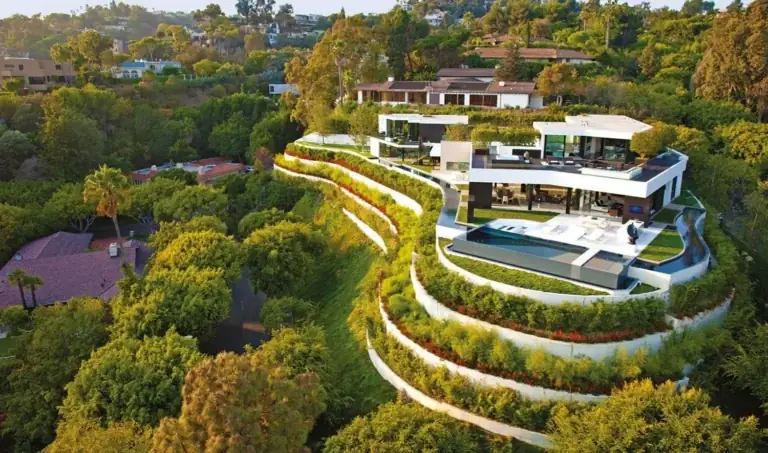
Pacific Coast Modernist Glass Compounds
Comprising mid-century and contemporary architectural masterworks featuring steel frames and floor-to-ceiling glazing along Western shorelines.
-
Trade-Offs: Delivers exceptional natural illumination and indoor-outdoor continuity, but requires intensive seismic engineering and continuous glass maintenance against marine elements.
New England Historic Maritime Estates
Sprawling shingle-style compounds and restored colonial maritime properties situated along rugged Northeastern coastlines.
-
Trade-Offs: Immerses occupants in deep architectural history, but introduces strict historic district preservation rules and harsh winter freeze-thaw degradation cycles.
Desert Biophilic and Cantilevered Canyon Sanctuaries
Integrating rammed-earth and steel compounds designed to harmonize with arid landscapes across the American Southwest.
-
Trade-Offs: Offers profound visual isolation and thermal mass efficiency, but demands complex off-grid utility management and flash-flood structural protection.
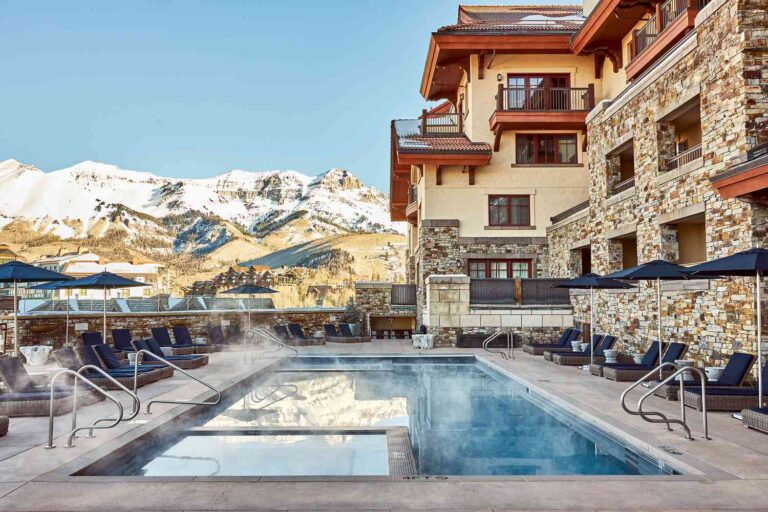
Rocky Mountain Alpine Timber and Stone Lodges
Multi-level architectural compounds crafted from heavy timber and native stone in high-altitude mountain environments.
-
Trade-Offs: Provides unmatched winter refuge and rugged structural strength, but requires specialized snow-load roof engineering and remote access logistics.
Southern Lowcountry Veranda Compounds
Traditional agrarian-inspired residential estates featuring deep covered porches and elevated pier foundations across Southeastern wetlands.
-
Trade-Offs: Expertly manages high humidity and seasonal flooding, but mandates constant wood maintenance and strict hurricane-wind mitigation protocols.
Great Lakes Historic Rust-Belt Revitalizations
Industrial-chic residential compounds and converted agrarian estates situated along the upper Midwestern freshwater archipelagos.
-
Trade-Offs: Offers unique cultural heritage and expansive water frontage, but operates within condensed seasonal viability windows.
Operational Comparison Table
| Architectural Typology | Geographic Distribution | Primary Structural Challenge | Primary Operational Strategy | Risk Profile |
| Pacific Modernist | Western Seaboard | Seismic activity & salt corrosion | Continuous marine maintenance | Moderate |
| Northeastern Maritime | New England Coast | Harsh winter freeze-thaw cycles | Strict historic material preservation | Low to Moderate |
| Desert Biophilic | Southwest Canyons | Extreme heat & flash floods | Thermal mass & off-grid systems | Low |
| Alpine Timber Lodge | Rocky Mountains | Heavy snow loads & access | Specialized winter roof engineering | Moderate |
| Southern Lowcountry | Southeast Wetlands | High humidity & flood exposure | Elevated pier foundations | Moderate |
| Great Lakes Industrial | Upper Midwest | Condensed seasonal use | Robust weatherization protocols | Low |
Realistic Decision Logic
When architectural analysts and researchers evaluate domestic residential compounds, decision logic must prioritize regional environmental adaptation above superficial aesthetic trends. If an analyst evaluates a desert biophilic structure using criteria designed for a New England maritime estate, the resulting appraisal will completely misjudge the property’s structural resilience and utility efficiency. Observers must weigh regional engineering standards against the specific climatic demands of each domestic micro-climate.
Detailed Real-World Scenarios
Practical analytical scenarios illustrate how recognizing regional variations, zoning laws, and structural requirements prevents analytical failure across diverse domestic markets.
Case Study A: The Malibu Coastal Seismic Retrofit Evaluation
An architectural preservation syndicate analyzing a modernist steel-and-glass compound along the Pacific Coast prevented severe valuation errors by commissioning a comprehensive seismic engineering audit rather than relying on visual aesthetics.
-
Constraints: Strict California coastal commission rules; active seismic fault proximity; aggressive marine salt corrosion.
-
Decision Points: Management evaluated whether to accept surface architectural photography as proof of structural soundness or mandate invasive non-destructive testing of steel beam connections.
-
Failure Modes Identified: Surface evaluations missed hidden corrosion within cantilevered deck supports exposed to persistent ocean mist.
-
Second-Order Effects: Identifying structural vulnerabilities early allowed the syndicate to adjust asset valuation and factor in necessary remediation capital.
-
Resolution: Rigorous structural auditing preserved the integrity of the analytical assessment and prevented long-term financial miscalculation.
Field Incident B: The Aspen Alpine Timber Lodge Snow-Load Compliance
A real-time asset evaluation team inspecting a heavy timber lodge in the Rocky Mountains avoided major operational oversight by verifying roof pitch and snow-shedding engineering specifications prior to final reporting.
-
Constraints: High-altitude winter accumulation; severe wind-driven snow loads; remote mountain access routes.
-
Decision Points: Observers assessed whether standard residential building codes applied or if specialized alpine structural reviews were required.
-
Failure Modes Identified: Standard flat-roof additions on older mountain structures risked catastrophic structural collapse under unmitigated heavy snow accumulations.
-
Second-Order Effects: Unverified roof load capacity threatened complete structural failure during peak winter storms.
-
Resolution: Incorporating mandatory alpine engineering checks into the evaluation framework ensured accurate risk profiling for the mountain compound.
Operational Deployment C: The Santa Fe Desert Biophilic Utility Audit
Researchers investigating a rammed-earth compound in the high desert of New Mexico audited independent solar array and well-water telemetry systems to evaluate true off-grid sustainability.
-
Constraints: Arid climate; strict municipal water conservation laws; complete dependence on private solar energy storage.
-
Decision Points: Analysts compared assuming standard municipal utility connectivity versus verifying independent solar inverter redundancy and deep-well flow rates.
-
Failure Modes Identified: Standard grid assumptions failed in remote desert locations where municipal lines did not extend.
-
Second-Order Effects: Unverified utility infrastructure risked complete operational collapse during grid isolation events.
-
Resolution: Comprehensive utility telemetry auditing confirmed the compound’s true autonomous operational capacity.
Operational Deployment D: The Hudson Valley Historic Preservation Assessment
An architectural research group studying a restored Dutch barn compound in upstate New York navigated strict municipal historic preservation zoning guidelines without compromising modern functional requirements.
-
Constraints: Local landmark preservation board oversight; rigid exterior modification bans; aging timber framing.
-
Decision Points: Investigators evaluated whether to propose exterior modernizations or confine structural upgrades to interior climate-control retrofitting.
-
Failure Modes Identified: Exterior architectural alterations violated local historic district codes, resulting in immediate stop-work mandates.
-
Second-Order Effects: Preserving historical exterior envelopes while integrating modern mechanical systems internally satisfied municipal preservation boards.
-
Resolution: Respecting local historical governance protected the asset’s legal standing while ensuring functional longevity.
Planning, Cost, and Resource Dynamics
Administering an effective research and evaluation program for domestic residential architecture requires understanding the economic relationship between fieldwork hours, specialized engineering audits, and comprehensive data synthesis.
Direct and Indirect Financial Realities
When analyzing high-end domestic property markets, investigators must weigh upfront engineering inspection costs against the immense financial exposure of misjudging structural integrity or regulatory compliance. Failing to allocate resources for specialized local audits creates fragile analytical models that collapse upon regulatory review.
Opportunity Cost and Resource Allocation
Researchers must balance intensive archival research hours against broader regional economic studies. Over-allocating time to minor aesthetic variations yields diminishing returns, while ignoring core zoning ordinances and structural maintenance logs exposes organizations to severe miscalculations.
Financial and Resource Allocation Range Table
| Research Phase | Typical Time Investment | Resource Requirement | Financial Impact | Economic Return |
| Zoning & Regulatory Audit | 4 – 8 Hours / Region | Municipal land-use databases | Prevents compliance errors | High (eliminates legal risk) |
| Structural Engineering Review | 6 – 12 Hours / Estate | Specialized non-destructive tools | Verifies load-bearing integrity | Critical for asset safety |
| Climatic Resilience Mapping | 3 – 6 Hours / Project | Regional weather telemetry data | Forecasts maintenance liabilities | High value-for-money ratio |
| Utility Infrastructure Check | 4 – 6 Hours / Property | Off-grid & municipal records | Confirms autonomy limits | Essential for operational accuracy |
Tools, Strategies, and Support Systems
Executing precise architectural and economic evaluations of domestic residential properties requires specialized digital tools, municipal databases, and engineering frameworks.
1. Geographic Information Systems (GIS) and Zoning Portals
Leveraging state and county land-use databases to verify local short-term rental restrictions, historic preservation boundaries, and environmental overlay zones.
2. Non-Destructive Structural Testing Equipment
Employing thermal imaging cameras, moisture meters, and ultrasonic testing tools to identify hidden material degradation in remote residential compounds.
3. Regional Weather and Climate Telemetry Archives
Analyzing multi-decadal meteorological records to evaluate historical flood risks, wildfire exposure, and snow-load extremes for specific property coordinates.
4. Architectural Blueprint and Historical Archive Repositories
Accessing local municipal building departments and university libraries to review original construction blueprints and historical alteration permits.
5. Collaborative Spatial Analysis Applications
Deploying digital mapping and database platforms to synthesize regional architectural trends, material typologies, and valuation metrics across multiple states.
6. Independent Engineering Advisory Networks
Engaging licensed structural engineers, local land-use attorneys, and architectural historians to validate complex property assessments.
Risk Landscape and Failure Modes
Failing to properly structure domestic architectural evaluations exposes researchers and asset managers to compounding regulatory, structural, and financial risks.
Severe Municipal Zoning Non-Compliance
Assuming national uniformity while ignoring strict local municipal ordinances that prohibit short-term leasing or mandate extensive commercial permits.
Unanticipated Structural Material Degradation
Overlooking localized environmental stressors, such as termite infestation in the Southeast or freeze-thaw cracking in the Northeast, leading to catastrophic capital expenditures.
Total Off-Grid Utility Isolation Failure
Failing to verify backup power and water security for remote desert or mountain compounds during regional weather emergencies.
Governance, Maintenance, and Long-Term Adaptation
Administering long-term quality control over domestic architectural evaluation requires disciplined review cycles, municipal code tracking, and systematic auditing checklists.
-
Pre-Evaluation Regulatory Audits: Reconcile all local zoning updates, historic district boundary shifts, and environmental protection laws prior to finalizing regional asset reports.
-
Climatic and Structural Trend Reviews: Evaluate evolving regional weather patterns and building code revisions across target states annually.
-
Layered Architectural Evaluation Checklist:
-
Verify property zoning classifications and municipal operating permits directly with local government authorities.
-
Confirm structural load-bearing capabilities and material resilience against regional climatic extremes in writing.
-
Establish transparent data-sharing protocols for all off-grid utility and infrastructure audits.
-
Review historical preservation guidelines and environmental overlay restrictions prior to publishing regional assessments.
-
Measurement, Tracking, and Evaluation
Assessing the ongoing accuracy and intellectual rigor of domestic architectural research involves monitoring both qualitative and quantitative indicators.
Leading and Lagging Indicators
Leading indicators include zoning audit completion rates, engineering verification frequency, archival data collection depth, and regulatory compliance scoring. Conversely, lagging indicators reflect analytical failures, including unexpected municipal stop-work orders, unpredicted structural remediation costs, zoning penalty fines, and reports of property misrepresentation.
Common Misconceptions and Oversimplifications
1. Domestic luxury residential compounds operate under uniform national real estate and zoning standards.
Local municipal ordinances, state-level short-term rental bans, and historic preservation districts create vastly divergent regulatory landscapes across every domestic market.
2. Surface architectural photography reveals the true structural and mechanical condition of a property.
Promotional imagery frequently masks underlying seismic vulnerabilities, roof-load limitations, and deferred maintenance issues that require invasive engineering audits to uncover.
3. Remote desert and mountain estates maintain the same utility reliability as metropolitan properties.
Off-grid compounds depend on autonomous solar arrays, private wells, and specialized micro-infrastructure that demand rigorous technical verification.
4. Historic preservation mandates apply equally to all residential renovations across the United States.
Historic district oversight varies strictly by municipality, ranging from lenient aesthetic guidelines to absolute bans on exterior structural modifications.
5. Climatic wear patterns are uniform across all coastal environments in North America.
Pacific marine salt corrosion, Atlantic hurricane exposure, and Great Lakes freeze-thaw cycles impose distinct material degradation pressures requiring specialized architectural responses.
6. Independent residential properties require no specialized structural engineering reviews beyond standard home inspections.
Complex architectural compounds featuring cantilevered designs, heavy timber frames, or rammed-earth construction require advanced engineering expertise to properly evaluate.
Ethical, Practical, and Contextual Considerations
Mastering the implementation of rigorous domestic architectural evaluation extends beyond academic accuracy into responsible land stewardship, supporting historic preservation, and respecting local community governance. Researchers and asset managers carry a profound professional obligation to protect architectural integrity, ensure accurate reporting of structural conditions, and uphold strict compliance with regional municipal codes. By integrating comprehensive zoning research, specialized engineering audits, and transparent data documentation, analysts ensure their evaluations honor long-term intellectual honesty while delivering dependable, authoritative insights.
Conclusion
Mastering the structural, regional, and administrative principles required to successfully evaluate independent residential architecture across the United States is essential for achieving true topical authority and analytical precision. Relying on generalized national assumptions, surface-level aesthetic marketing, and unverified municipal data guarantees analytical failure and flawed asset reporting. By investing in regional zoning audits, structural engineering verifications, climatic resilience mapping, and disciplined data tracking, researchers secure a resilient, highly dependable analytical framework. Ultimately, rigorous intellectual stewardship transforms complex domestic architectural landscapes into clear, deeply understood realities.