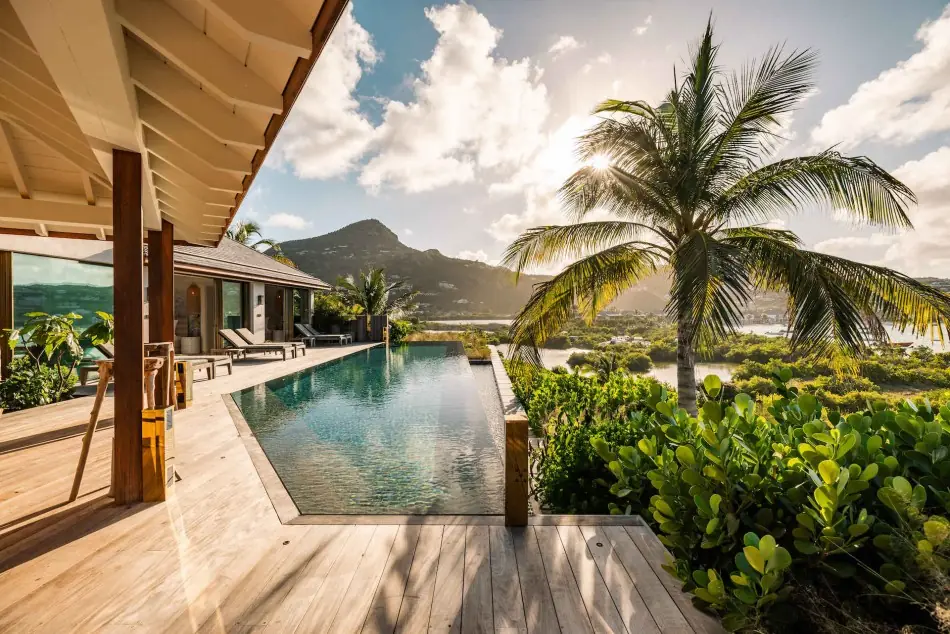
Best Beachfront Boutique Villas in the US: Definitive Guide
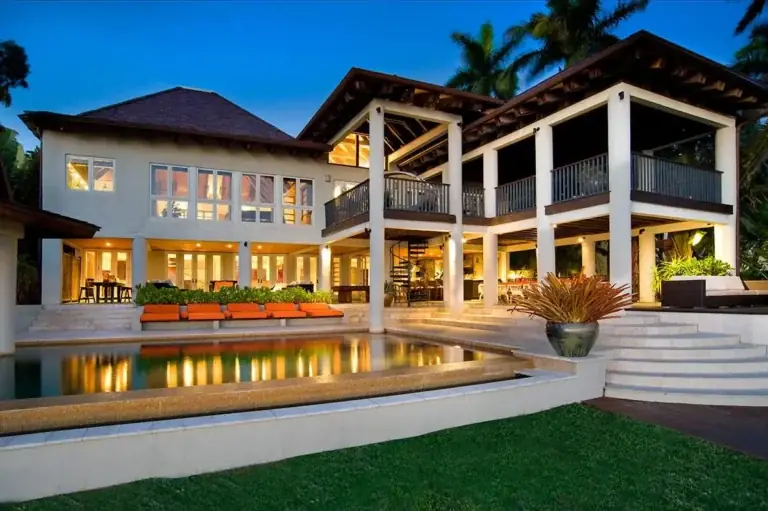
Analyzing the operational geography, high-end hospitality positioning, and architectural execution of elite residential shoreline properties across North America reveals an intricate intersection of coastal engineering, localized zoning laws, and decentralized asset management. When high-net-worth travelers, architectural directors, and real estate researchers evaluate the best beachfront boutique villas in the us, they encounter a diverse spectrum of environments—ranging from isolated Pacific Northwest rocky coves and modernist Southern California beach pavilions to coral-fringed subtropical keys and historic Atlantic maritime compounds. Unlike standardized high-rise commercial resorts that maintain uniform corporate hospitality structures across predictable latitudes, independent luxury beachfront compounds derive their distinct character from hyper-local marine micro-climates, state tidal conservation laws, and unique coastal vernaculars.
Evaluating these properties requires moving past promotional marketing imagery to examine severe coastal erosion dynamics, Federal Emergency Management Agency flood zone compliance, saltwater material corrosion mitigation, and complex state coastal commission mandates. From the tempestuous shores of Northern California and the volcanic coastlines of the Hawaiian Islands to the barrier island ecosystems of the Atlantic seaboard and the Gulf of Mexico, securing an exclusive residential beach experience demands profound administrative foresight. Consequently, approaching these distinctive coastal sanctuaries solely through superficial aesthetic lenses introduces severe operational vulnerabilities, requiring rigorous critical analysis from experienced asset directors and hospitality researchers alike.
This reference manual provides an exhaustive structural, historical, and operational framework for analyzing, interpreting, and managing elite beachfront residential properties across the nation’s premier shoreline corridors. The following sections dissect systemic historic evolution, analytical mental models, asset typology operational structures, and long-term governance protocols to establish a definitive professional standard for understanding the sector without relying on promotional tropes.
Understanding “best beachfront boutique villas in the us”
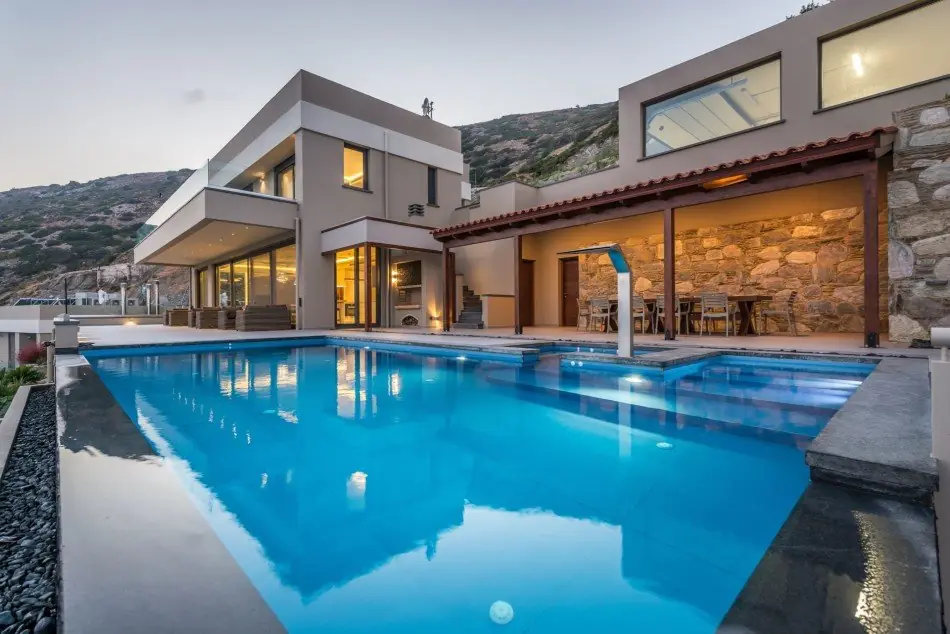
When industry analysts and luxury hospitality researchers investigate the best beachfront boutique villas in the us, the primary objective is decoding how unique architectural positioning, marine environmental engineering, local municipal zoning restrictions, and decentralized asset management influence both capital appreciation and operational resilience. However, a common pitfall involves treating independent high-end shoreline estates like standard commercial resort complexes while completely ignoring the absence of centralized corporate infrastructure and the complexity of state-specific property laws.
A widespread misconception views premier coastal residential assets through a purely aesthetic lens, reducing complex structural engineering and marine conservation mandates to mere interior design preferences. Consequently, this oversimplification ignores the profound structural differences between urban hotel operations and isolated maritime enclave logistics, or between federal property standards and restrictive state coastal commission edicts. In reality, mastering the structural analysis requires examining the friction between maintaining elite architectural transparency and navigating rigorous shoreline protection laws.
Relying on uncritical generalizations introduces severe analytical vulnerabilities. When observers gloss over salt-spray corrosion rates, ignore storm-surge elevation requirements, or fail to audit underlying property tidal access rights, small administrative oversights compound into major legal and financial liabilities. True professional appraisal demands rigorous structural auditing, direct examination of regional coastal building codes, and an honest accounting of how properties perform under severe marine weather stress across different domestic shores.
Deep Contextual Background
The evolution of independent luxury residential beachfront hospitality across the United States reflects a century-long transformation in domestic leisure migration, marine architectural movements, and shoreline conservation law. Early twentieth-century high-end coastal travel in North America concentrated around grand Gilded Age “cottages” in Newport, historic summer compounds in the Hamptons, and rustic maritime retreats in coastal Maine, maintaining formal, highly centralized domestic staffing structures.
The late twentieth and early twenty-first centuries marked a profound administrative turning point with the codification of strict state coastal management acts, the expansion of the National Flood Insurance Program, and the commercialization of exclusive barrier island enclaves. While these regulatory shifts protected fragile marine ecosystems, they introduced complex legal hurdles, including strict limits on seawall construction, mandatory dune restoration easements, and rigorous historical preservation oversight. The emergence of specialized asset management syndicates demonstrated that affluent owners and travelers increasingly required sophisticated legal and engineering frameworks to protect and operate these unique waterfront estates.
As domestic coastal tourism matured, the demand for transparency and operational safety while preserving architectural singularity accelerated the evolution of specialized estate governance protocols. Consequently, studying and categorizing elite shoreline residential assets transitioned from an ad-hoc real estate task into a highly rigorous interdisciplinary specialty encompassing marine engineering, environmental law, hospitality economics, and risk mitigation strategy.
Conceptual Frameworks and Mental Models
Analyzing complex domestic coastal residential properties requires robust mental models that account for marine environmental exposure, legal jurisdiction, and architectural typology.
The Marine Micro-Climate vs. Structural Corrosion Gradient
This foundational model evaluates how extreme maritime environmental stressors—such as atmospheric salt spray, high-velocity wind loads, and aggressive humidity—correlate with structural maintenance overhead. It prevents analytical misjudgements by mapping the trade-offs between delicate glass architectural finishes and rugged marine-grade material resilience across different coastal geographies.
The Tidal Boundary vs. Public Trust Doctrine Ratio
Elite coastal estates must balance private ownership rights against state public trust doctrines that guarantee public access to intertidal zones and beaches. This model tracks legal boundary friction against property exclusivity to establish long-term asset security.
The Shoreline Armoring Prohibition vs. Managed Retreat Axis
Operational workflows must evaluate the financial security and structural protection of legacy seawalls against strict modern state coastal commission bans on hard shoreline armoring. This framework exposes regulatory vulnerabilities before capital commitments are finalized.
The Standalone Asset Management vs. Decentralized Hospitality Hierarchy
This model stratifies operational risk during guest occupancy, ensuring balanced evaluation of dedicated resident estate caretakers versus rotating third-party property management companies in remote maritime zones.
Key Categories and Variations
Mastering the study of the best beachfront boutique villas in the us involves navigating distinct regional architectural typologies, each carrying specific engineering requirements and administrative frameworks.
1. Pacific Coast Clifftop and Cove Compounds
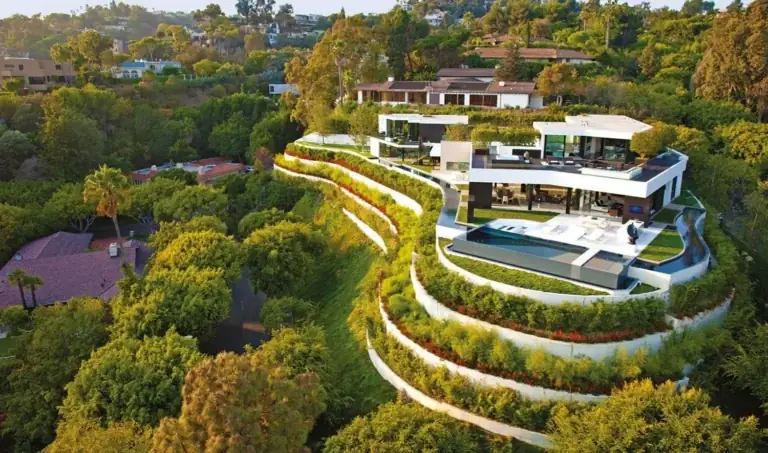
Cantilevered glass and steel structures perched above rugged marine bluffs and secluded rocky coves along California and the Pacific Northwest.
-
Trade-Offs: Delivers dramatic ocean vistas and absolute privacy, but requires rigorous corrosion-resistant engineering and defense against coastal erosion.
2. Hawaiian Volcanic Shoreline Estates
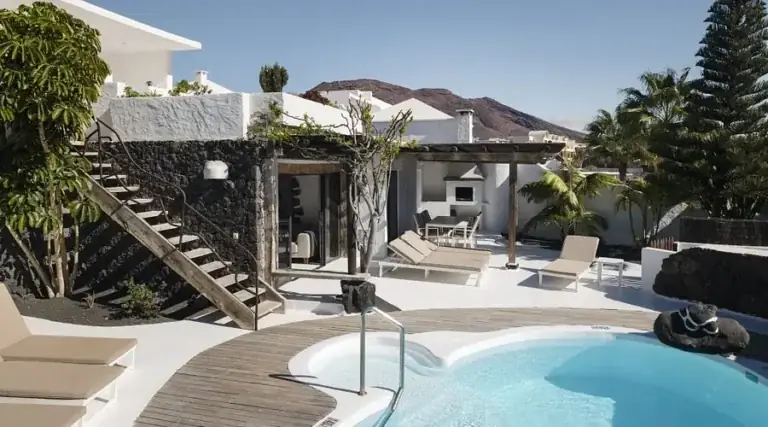
Open-air architectural pavilions integrated directly into black lava rock formations and white-sand coves across the Hawaiian archipelago.
-
Trade-Offs: Offers immersive tropical seclusion and direct ocean access, but demands intensive weathering defense against high humidity, salt air, and seismic activity.
3. Florida Keys Coral-Stone Marine Sanctuaries
Stilted and ground-level compounds embedded within tropical hammocks and protected marine ecosystems across the Florida Keys.
-
Trade-Offs: Provides direct access to deep-water boating channels, but exposes assets to severe tropical storm and hurricane vulnerability.
4. Atlantic Barrier Island Dune Compounds
Low-profile residential estates positioned behind shifting sand dunes along the Outer Banks and coastal Carolinas.
-
Trade-Offs: Secures panoramic ocean views and private beach access, but requires continuous dune restoration and storm-surge mitigation.
5. Gulf Coast Emerald-Water Villas
Contemporary coastal estates facing the calm, shallow waters and white-sand beaches of the Florida Panhandle and Alabama coasts.
-
Trade-Offs: Combines family-oriented leisure with pristine aquatic access, but demands active defense against tropical weather systems.
6. New England Historic Shoreline Estates
Classic shingle-style compounds nestled along rocky headlands and protected harbors across Maine, Massachusetts, and Rhode Island.
-
Trade-Offs: Preserves deep architectural heritage and sheltered coastal mooring, but involves intensive cyclical timber maintenance.
Operational Comparison Table
| Beachfront Typology | Primary Marine Stressor | Regulatory Complexity | Maintenance Overhead | Ideal Asset Profile |
| Pacific Clifftop Compounds | Salt spray & seismic activity | High (Coastal commissions) | High (Corrosion & erosion) | Modernist design enthusiasts |
| Hawaiian Volcanic Estates | High UV & tropical storms | High (Environmental boards) | High (Weatherproofing) | Tropical seclusion seekers |
| Florida Keys Sanctuaries | Hurricanes & flood zones | High (FEMA & environmental) | High (Storm hardening) | Boating and diving groups |
| Atlantic Dune Compounds | Beach erosion & storm surge | High (Setback rules) | High (Dune management) | Oceanfront privacy lovers |
| New England Shingle Estates | Nor’easter gales & salt air | Moderate (Historic boards) | High (Timber preservation) | Maritime history enthusiasts |
Realistic Decision Logic
When asset managers or high-net-worth buyers evaluate the best beachfront boutique villas in the us, decision logic must prioritize marine environmental engineering and strict state coastal commission compliance above mere aesthetic appeal. If an investor evaluates a shoreline property using criteria designed for standard inland real estate—where municipal services are guaranteed and environmental codes are static—the resulting asset will suffer from severe structural degradation and regulatory penalties. Observers must weigh architectural uniqueness against the specific infrastructural demands of each coastal zone.
Detailed Real-World Scenarios
Practical analytical scenarios illustrate how recognizing marine environmental constraints, tidal laws, and infrastructure vulnerabilities prevents asset management failure across diverse domestic coastal markets.
Case Study A: The Malibu Clifftop Structural Retrofit
An investment group acquiring a modernist glass compound along the Malibu coast resolved a major operating deficit by upgrading structural anchoring systems to withstand shifting bluff geology and seismic tremors.
-
Constraints: Unstable coastal bluffs; strict California Coastal Commission regulations; high seismic activity risk.
-
Decision Points: Management evaluated whether to install massive retaining walls or deploy deep-pier micro-piles anchored into stable bedrock.
-
Failure Modes Identified: Legacy shallow foundations shifted during winter storm erosion, threatening cantilevered structural overhangs.
-
Second-Order Effects: Engineering interventions required delicate logistical staging to avoid disturbing protected intertidal zones below the bluff.
-
Resolution: Precision micro-pile installation successfully stabilized the foundation while maintaining full compliance with coastal environmental codes.
Field Incident B: The Hawaiian Lava-Rock Seawall Dilemma
A private luxury estate owner on the Kona coast of Hawaii experienced severe regulatory friction when attempting to repair an aging storm-damaged rock revetment without state permits.
-
Constraints: Strict state shoreline protection laws; fragile coral reef ecosystems; active high-energy wave action.
-
Decision Points: Coordinators assessed whether to proceed with unauthorized emergency rock placement or pursue a multi-year permitted managed-retreat strategy.
-
Failure Modes Identified: Unauthorized shoreline hardening triggered immediate state environmental enforcement actions and substantial daily fines.
-
Second-Order Effects: Legal disputes stalled guest leasing operations and required expensive retrospective environmental impact assessments.
-
Resolution: Collaborating with marine ecologists to remove artificial debris and restore natural dune buffers restored full legal standing.
Operational Deployment C: The Florida Keys Estate Hurricane Hardening
An institutional family office managing a deep-water waterfront compound in the Florida Keys successfully protected physical assets against a major tropical storm through proactive storm-hardening protocols.
-
Constraints: Low-lying coastal flood elevation; mandatory evacuation zones; vulnerability to storm surge and saltwater inundation.
-
Decision Points: Planners compared relying on standard accordion shutters versus installing impact-rated structural glass and automated hydraulic flood barriers.
-
Failure Modes Identified: Standard residential building materials proved inadequate against high-velocity tropical storm winds and corrosive saltwater inundation.
-
Second-Order Effects: High upfront capital expenditure for storm hardening protected the physical asset from catastrophic structural loss.
-
Resolution: Comprehensive hurricane engineering safeguards ensured the estate weathered major storms with zero structural impairment.
Operational Deployment D: The Outer Banks Septic Elevation Overhaul
A luxury beachfront management team on the Outer Banks prevented catastrophic environmental contamination by elevating and redesigning the property’s decentralized septic drain field above projected storm surge levels.
-
Constraints: Shifting barrier island sands; high water table; strict sanitary engineering codes.
-
Decision Points: Investigators evaluated whether to maintain low-profile gravity lines or install an engineered mound system with advanced nitrogen reduction.
-
Failure Modes Identified: Standard septic drain fields risked inundation and failure during minor coastal storm surges, threatening local water quality.
-
Second-Order Effects: Upgrading sanitary infrastructure required careful coordination with county environmental health departments.
-
Resolution: Installing an advanced commercial-grade engineered wastewater treatment system guaranteed long-term environmental compliance and operational safety.
Planning, Cost, and Resource Dynamics
Administering an effective operational and financial protocol for elite domestic coastal residential properties requires understanding the economic relationship between specialized marine maintenance hours, coastal regulatory compliance, and flood insurance underwriting.
Direct and Indirect Financial Realities
When analyzing high-end domestic coastal property management, investigators must weigh upfront marine engineering and environmental compliance costs against the immense financial exposure of storm damage, coastal commission fines, and marine degradation. Failing to allocate resources for shoreline maintenance creates fragile assets that deteriorate rapidly under maritime stress.
Opportunity Cost and Resource Allocation
Coordinators must balance intensive regulatory compliance hours against broader asset appreciation goals. Over-allocating time to minor cosmetic updates yields diminishing returns, while ignoring core infrastructural realities—such as bulkhead integrity, septic drain-field elevation, and flood-vent functionality—exposes properties to severe financial risk.
Financial and Resource Allocation Range Table
| Coastal Management Phase | Typical Time Investment | Resource Requirement | Financial Impact | Economic Return |
| Coastal Permitting Audit | 6 – 10 Hours / Property | Specialized environmental legal counsel | Prevents commission fines | High (secures legal operating status) |
| Marine Structural Hardening | 12 – 25 Hours / Asset | Marine engineering & construction teams | Protects against storm surge | Critical for asset preservation |
| Septic & Utility Elevation | 4 – 8 Hours / System | Civil & sanitary engineering specialists | Ensures operational continuity | High reliability return |
| Historic/Architectural Review | 4 – 8 Hours / Estate | Preservation architectural experts | Maintains historical status | Essential for asset value |
Tools, Strategies, and Support Systems
Executing precise asset management and operational oversight for unique domestic coastal residential properties requires specialized digital tools, secure legal ledgers, and technical checklists.
1. State Coastal Commission and Tidal Zoning Portals
Deploying digital databases that track municipal code changes, coastal setback regulations, and state environmental protection laws.
2. Specialized Marine Corrosion and Weather Maintenance Software
Utilizing predictive maintenance schedules tailored to saltwater spray, high humidity, and intense storm surge environments.
3. Real-Time Tropical Storm and Marine Intelligence Feeds
Integrating emergency monitoring software to track hurricane trajectories, tsunami warnings, and coastal flood alerts.
4. Independent Marine Engineering and Environmental Advisory Networks
Retaining specialized regional marine contractors familiar with local tidal dynamics, soil mechanics, and dune restoration.
5. Secure Lease and Asset Management Repositories
Storing all property deeds, FEMA elevation certificates, coastal permits, and maintenance logs in a single encrypted digital platform.
6. Off-Grid Utility Monitoring and Backup Systems
Deploying automated sensors that monitor emergency generator fuel levels, lift-station pump performance, and well water salinity.
Risk Landscape and Failure Modes
Failing to properly address marine environmental and regulatory realities in unique domestic coastal properties exposes owners and asset managers to compounding legal, financial, and physical risks.
Severe Marine Hazard Vulnerability
Underestimating hurricane storm surges in southern waters, nor’easter erosion along the Atlantic seaboard, or bluff failures on Pacific maritime cliffs.
Complex Coastal Commission Violations
Executing unpermitted shoreline modifications, dock expansions, or dune grading that violate strict state coastal management acts.
Remote Utility and Infrastructure Disconnects
Relying on vulnerable coastal municipal utility grids without maintaining robust emergency generators, sewage lift pumps, and freshwater cisterns.
Governance, Maintenance, and Long-Term Adaptation
Administering long-term quality control over elite domestic coastal residential properties requires disciplined review cycles, regulatory auditing, and systematic maintenance checklists.
-
Pre-Season Marine Audits: Reconcile all bulkhead inspections, storm-shutter mechanisms, septic lift-pump tests, and backup generator fuel levels prior to seasonal weather shifts.
-
Annual Regulatory Compliance Reviews: Evaluate state coastal commission rulings, FEMA flood map updates, and insurance policy coverage limits continuously across all portfolio assets.
-
Layered Property Governance Checklist:
-
Verify all local coastal permits, FEMA elevation certificates, and tidal boundary rights in writing.
-
Inspect structural integrity against marine environmental stressors (salt corrosion, storm surge, wind loads).
-
Maintain robust off-grid backup systems, including auxiliary generators, sewage lift pumps, and satellite communications.
-
Ensure comprehensive insurance coverage addressing regional natural disaster risks (hurricanes, floods, tsunamis).
-
Measurement, Tracking, and Evaluation
Assessing the ongoing operational efficiency and asset value preservation of unique domestic coastal residential properties involves monitoring both qualitative and quantitative indicators.
Leading and Lagging Indicators
Leading indicators include regulatory audit completion rates, preventative maintenance scheduling frequency, structural inspection scores, and insurance compliance verification. Conversely, lagging indicators reflect asset management failures, including coastal commission fines, storm-surge damage, utility failure emergencies, and capital devaluation.
Common Misconceptions and Oversimplifications
1. Beachfront boutique villas in the US operate under uniform national maritime and real estate standards.
Domestic coastal properties are governed by highly fragmented state, county, and municipal laws, requiring region-specific compliance strategies.
2. Promotional architectural photography guarantees the long-term structural resilience of a shoreline estate.
Stunning aesthetic imagery captures peak design conditions but often conceals severe susceptibility to marine weathering, erosion, and climate stress.
3. Waterfront seclusion implies independence from municipal and utility infrastructure.
While coastal properties offer absolute privacy, they frequently suffer from fragile utility connections and vulnerable septic systems that demand expensive backup mechanisms.
4. Coastal properties require minimal structural maintenance compared to traditional inland homes.
Harsh marine micro-climates—such as salt spray corrosion and high humidity—accelerate material wear, requiring specialized, frequent maintenance.
5. Standard residential homeowner insurance policies cover all natural disaster and coastal rental risks.
High-end coastal properties frequently require specialized surplus-lines insurance wrappers and National Flood Insurance Program policies to cover luxury asset valuations.
6. Local coastal commission regulations can be bypassed for private residential estates.
State and municipal authorities enforce rigorous shoreline laws and environmental protections regardless of property ownership, prohibiting unpermitted modifications.
Ethical, Practical, and Contextual Considerations
Mastering the implementation of elite coastal property management extends beyond financial asset preservation into responsible environmental stewardship and community integration. When owners and managers operate luxury compounds in fragile marine ecosystems—such as barrier island dunes, tidal marshes, or volcanic shorelines—they carry a professional obligation to respect local conservation laws, support regional ecological health, and maintain harmonious relationships with surrounding communities. By integrating rigorous marine engineering, transparent regulatory compliance, and robust asset maintenance, stakeholders ensure their operations honor long-term intellectual honesty while delivering dependable, authoritative results.
Conclusion
Mastering the structural, regional, and administrative principles required to successfully manage properties among the best beachfront boutique villas in the us is essential for achieving true topical authority and asset preservation. Relying on generalized real estate assumptions, unverified architectural imagery, and opaque municipal compliance guarantees operational distress and capital loss. By investing in rigorous regional engineering audits, marine hazard mitigation, off-grid infrastructure redundancy, and disciplined data tracking, stakeholders secure a highly dependable operating framework. Ultimately, rigorous intellectual stewardship transform