Best Boutique Villas for Executive Stays: Definitive Corporate Guide
Evaluating independent residential hospitality spaces for corporate leadership requires examining a complex intersection of structural engineering, secure telecommunications infrastructure, and bespoke guest service ecosystems. When enterprise directors, board strategists, and executive operations managers investigate top-tier properties capable of hosting high-level strategic offsites, they study sophisticated architectural compounds where absolute privacy merges seamlessly with hotel-grade operational management. Furthermore, these premier residential assets function as intricate lifestyle and working environments that dictate spatial design, secure network bandwidth, and long-term experiential value across diverse geographical landscapes.
Analyzing these specialized accommodation categories demands moving past mass-market resort booking aggregators to explore independent estate management, encrypted network integration, and hyper-regional culinary coordination. From cliffside modernist compounds overlooking the Pacific to historic wine-country estates tucked away in secluded valleys, modern high-end corporate hospitality presents profound operational and aesthetic challenges. Consequently, selecting a premier property solely on visual marketing imagery often introduces severe service friction or technological mismatch, demanding rigorous critical analysis from experienced corporate travel curators and estate directors alike.
This reference manual provides an exhaustive structural, historical, and operational framework for analyzing, interpreting, and selecting elite independent properties for high-stakes leadership deployments. The following sections dissect systemic historic evolution, analytical mental models, asset typology economics, and long-term travel governance protocols to establish a definitive professional standard for managing executive retreats in high-end residential environments.
Understanding “best boutique villas for executive stays”
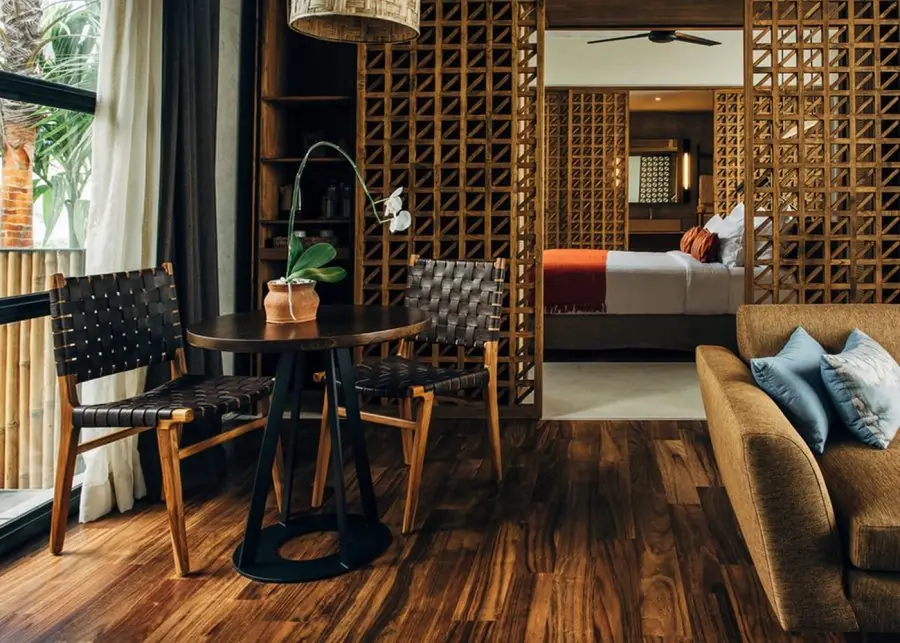
When corporate travel managers investigate the best boutique villas for executive stays, the primary objective is decoding how architectural curation, regional context, and integrated service models influence both strategic productivity and data security. However, a common pitfall involves treating high-end independent rentals as standard residential homes while completely ignoring the rigorous network encryption, acoustic privacy, and executive support infrastructure required to maintain true corporate productivity standards.
A widespread misconception views premier corporate property curation through a purely transactional lens, reducing complex architectural environments and bespoke service models to simple nightly rental comparisons. Consequently, this oversimplification ignores the nuanced zoning restrictions, satellite bandwidth limitations, and specialized staff-to-guest ratios needed to sustain elite working sessions. In reality, mastering the operational process requires examining the friction between complete residential privacy and uncompromised enterprise-grade connectivity.
Relying on uncritical selection criteria introduces severe operational vulnerabilities. When corporate planners gloss over remote location logistics, inadequate power backup systems, or inflexible property management terms, the resulting disruptions completely compromise strategic objectives. True professional curation demands rigorous property inspections, direct communication with estate managers, and an honest accounting of how these exclusive living spaces perform under intensive professional demands.
Deep Contextual Background
The evolution of independent luxury residential hospitality reflects a century-long transformation in corporate culture, shifting from rigid, grand-hotel conference centers to decentralized, highly curated private estate retreats suitable for confidential executive retreats. Early executive travel relied on massive historic railway hotels and standardized resort boardrooms, creating rigid architectural uniformity that limited authentic engagement with regional landscapes and strategic privacy.
The late twentieth century marked a profound architectural and operational turning point. The rise of regional modernist design movements, independent boutique hoteliers, and advanced property management platforms demonstrated that leadership teams could utilize private residential luxury integrated seamlessly with pristine natural environments. This shift prioritized biophilic integration, custom interior curation, and discrete, personalized service models that traditional grand hotels could not replicate.
As corporate governance and remote work matured, the demand for hyper-personalized experiential retreats while maintaining absolute data security accelerated the evolution of specialized estate networks. Consequently, studying and identifying top-tier properties transitioned from an ad-hoc administrative duty into a highly rigorous interdisciplinary specialty encompassing architectural conservation, telecommunications engineering, hospitality logistics, and executive strategy.
Conceptual Frameworks and Mental Models
Analyzing complex domestic and international luxury property ecosystems requires robust mental models that account for environmental integration, service elasticity, and architectural longevity.
The Architectural and Acoustic Isolation Matrix
This foundational model evaluates how building envelope design correlates with surrounding natural topography and temporary board-level meeting staging. It prevents properties from suffering sound bleed during confidential strategy discussions while optimizing indoor-outdoor transitions during fluctuating weather seasons.
The Service Elasticity and Staffing Pipeline
Elite boutique properties must balance absolute privacy against responsive, invisible hospitality delivery during active working sessions. This mental model tracks dedicated butler ratios, private chef coordination, and on-call IT support availability.
The Regional Micro-Climate and Infrastructure Axis
Operational workflows must balance remote seclusion against reliable utility, secure fiber-optic bandwidth, and emergency medical access for leadership teams. This framework exposes infrastructure vulnerabilities before final travel commitments are made.
The Experiential Authenticity and Local Sourcing Hierarchy
This model stratifies estate operations into localized cultural integration, regional food and wine procurement, and bespoke activity curation, ensuring genuine destination immersion without sacrificing executive comfort.
Key Categories and Variations
Mastering the study of luxury accommodations involves navigating distinct regional and architectural typologies, each carrying specific design challenges and operational requirements for hosting executive deployments.
Coastal Modernist and Cliffside Oceanfront Estates
Comprising architectural compounds featuring floor-to-ceiling glass, cantilevered terraces, and direct marine access along Pacific and Atlantic shorelines.
-
Trade-Offs: Delivers breathtaking ocean vistas and absolute privacy, but requires specialized marine-grade building maintenance against salt-air corrosion and satellite signal refraction.
Desert Biophilic Sanctuaries and Canyon Retreats
Integrating rammed-earth walls, private plunge pools, and shaded courtyards designed to harmonize with arid Southwestern ecosystems.
-
Trade-Offs: Offers serene isolation and stunning starlight visibility, but demands sophisticated climate control and auxiliary power engineering for server hardware.
Wine-Country Vineyard Compounds and Historic Estates
Sprawling agricultural retreats nestled among working vines, featuring custom outdoor kitchens, wine cellars, and expansive agrarian landscapes.
-
Trade-Offs: Immerses leaders directly in culinary and enological culture, but involves rural transit logistics and seasonal agricultural activity limits.
Alpine Timber Lodges and Mountain Perches
Multi-level architectural masterpieces featuring massive stone hearths, exposed timber trusses, and direct access to rugged wilderness terrain.
-
Trade-Offs: Provides cozy winter seclusion and dramatic summit views, but requires robust snow-load engineering and winter access management for secure transport vehicles.
Island Sanctuary Compounds
Secluded coastal properties situated on private or semi-private island domains along coastal archipelagos.
-
Trade-Offs: Unmatched isolation and marine recreation, but dependent on complex ferry or aviation logistics for secure communications equipment.
Historic Urban Townhouse Compounds
Restored architectural landmarks in cultural hubs providing private inner courtyards and bespoke butler services.
-
Trade-Offs: Deep urban cultural access, but limited parking and strict noise mitigation requirements.
Operational Comparison Table
| Property Typology | Primary Architectural Style | Main Operational Challenge | Primary Experiential Benefit | Risk Profile |
| Coastal Modernist | Glass, Steel & Concrete | Signal refraction & salt corrosion | Unobstructed ocean vistas | Moderate (weather & connectivity) |
| Desert Biophilic | Rammed Earth & Stone | High cooling loads & dust control | Complete acoustic isolation | Low to Moderate |
| Wine-Country Agrarian | Farmhouse & Modern Barn | Rural transport & network reach | Direct vineyard access | Low |
| Alpine Timber Lodge | Heavy Timber & Stone | Winter access & satellite drop | Dramatic mountain backdrop | Moderate (transit bottlenecks) |
| Island Sanctuary | Coastal Timber & Glass | Marine logistics & power stability | Absolute island seclusion | Moderate (weather delays) |
| Urban Townhouse | Historic Brick & Masonry | Urban parking limits & strict curfews | Immediate cultural access | Low |
Realistic Decision Logic
When corporate leadership evaluates accommodation options, decision logic must prioritize secure telecommunications infrastructure and logistical accessibility above purely aesthetic architectural preferences. If a corporate planner selects an isolated mountain lodge during heavy winter storm seasons without verifying redundant satellite internet connections, the entire executive offsite faces severe disruption. Planners must weigh the experiential benefits of remote wilderness seclusion against local transit infrastructure realities.
Detailed Real-World Scenarios
Practical travel and operational scenarios illustrate how mastering boutique property selection prevents logistical failures, discomfort, and unmet expectations across diverse markets.
Case Study A: The Big Sur Coastal Cliffside Retreat
Discerning corporate organizers secured a modernist glass estate perched above the Pacific Ocean in Central California, successfully balancing dramatic coastal aesthetics with rigorous weather and security planning.
-
Constraints: Steep cliffside topography; marine layer fog dampness; strict local coastal commission environmental bylaws.
-
Decision Points: Management evaluated whether to rely on standard residential Wi-Fi or deploy an enterprise-grade dedicated microwave link for secure video conferencing.
-
Failure Modes Identified: Standard residential routers failed to penetrate thick concrete and glass walls during high-bandwidth board calls.
-
Second-Order Effects: Deploying temporary mesh access points resolved latency issues while maintaining clean interior sightlines.
-
Resolution: The estate maintained flawless connectivity and structural resilience, delivering a world-class executive gathering experience.
Field Incident B: The Palm Springs Desert Compound Thermal Management
A design-focused corporate group utilizing a mid-century modern desert compound in Southern California managed extreme ambient temperature spikes during an outdoor executive strategy session.
-
Constraints: Intense desert solar radiation; high afternoon cooling loads; sensitive historic preservation restrictions.
-
Decision Points: Planners assessed whether to run legacy wall units continuously or utilize integrated smart climate zoning and automated exterior louver systems.
-
Failure Modes Identified: Unregulated solar gain overwhelmed indoor cooling systems, causing discomfort in glass-walled boardrooms.
-
Second-Order Effects: Excessive energy consumption threatened local utility caps during peak afternoon hours.
-
Resolution: Automated architectural shading louvers and zoned variable-flow cooling systems stabilized interior temperatures efficiently.
Operational Deployment C: The Napa Valley Vineyard Estate Culinary Integration
Planners organizing an executive product roadmap offsite at a private vineyard estate in Northern California leveraged direct estate management connections to secure private master sommelier tastings and farm-to-table chef pairings.
-
Constraints: Rural agricultural zoning; lack of immediate commercial kitchen capacity; high culinary expectations.
-
Decision Points: Designers compared relying on standard local restaurant takeout versus contracting a dedicated resident private chef and estate sommelier.
-
Failure Modes Identified: Standard food delivery options failed to meet the sophisticated dining expectations of an executive leadership gathering.
-
Second-Order Effects: In-house culinary integration transformed the isolated rural setting into an exclusive private dining sanctuary.
-
Resolution: The estate coordinated an exclusive regional food and wine program, exceeding all operational benchmarks.
Operational Deployment D: The Aspen Alpine Timber Lodge Winter Transition
A corporate syndicate hosting a leadership retreat in a multi-level mountain timber lodge in Colorado coordinated snow removal schedules and shuttle logistics ahead of a major winter storm.
-
Constraints: Heavy alpine snowfall; steep private access road; strict shuttle arrival timelines.
-
Decision Points: Management evaluated whether to manage snow clearing independently or contract a dedicated 24/7 private snow-plow service for executive transport.
-
Failure Modes Identified: Unmanaged heavy snowfall blocked private driveways, stranding executives and preventing timely airport departures.
-
Second-Order Effects: Disrupted flight schedules and ruined outdoor engagement itineraries.
-
Resolution: Retaining a dedicated alpine service contractor ensured continuous road clearance and safe transit throughout the multi-day function.
Planning, Cost, and Resource Dynamics
Administering an effective corporate travel plan requires understanding the economic relationship between architectural exclusivity, executive staffing, and logistical support.
Direct and Indirect Financial Realities
When analyzing high-end leadership investments, planners must weigh the base site tariff against mandatory corporate insurance, private security retainers, IT hardware rentals, and specialized transit logistics. Failing to account for remote delivery surcharges and secure communication setup fees creates misleading travel budgets that collapse upon execution.
Opportunity Cost and Resource Allocation
Corporate planners must balance intensive property research hours against overall project execution quality. Over-allocating time to micro-managing minor design differences results in decision fatigue, while ignoring major structural logistics like backup power generation or secure bandwidth access drains project success rapidly.
Financial and Resource Allocation Range Table
| Planning Phase | Typical Research Time | Resource Requirement | Financial Impact | Economic Return |
| Network & Security Auditing | 5 – 10 Hours | Telecommunications compliance data | Ensures secure executive operation | Essential for corporate success |
| Concierge & Staffing Coordination | 4 – 8 Hours | Direct estate management liaison | Secures bespoke service delivery | High |
| Logistics & Transit Planning | 3 – 6 Hours | Local transport & aviation data | Prevents remote access failures | Critical for remote estates |
| Culinary & Staging Curation | 4 – 8 Hours | Private chefs & local partners | Elevates experiential immersion | High value-for-money ratio |
Tools, Strategies, and Support Systems
Executing precise curation and management oversight for premier properties requires specialized digital tools, private advisory networks, and logistical support frameworks.
1. Architectural Curation and Floor-Plan Modeling Software
Leveraging digital spatial mapping tools to test boardroom seating capacities, breakout room layouts, and acoustic privacy pathways prior to finalizing contracts.
2. Direct Estate Management Portals
Bypassing mass-market booking platforms to communicate directly with private estate directors, ensuring transparent corporate riders and tailored inclusions.
3. Topographical and Micro-Climate Mapping Software
Analyzing regional wind patterns, solar exposure angles, and seasonal precipitation trends prior to scheduling executive retreats.
4. Private Aviation and Ground Transfer Coordinators
Securing seamless tarmac-to-estate helicopter or chauffeured vehicle transfers for remote mountain, desert, and coastal properties.
5. Secure Concierge and Security Networks
Integrating private security assessments, cybersecurity sweeps, and medical evacuation readiness for high-profile executive teams.
6. Regional Agricultural and Enological Directories
Sourcing direct access to local winemakers, organic farmers, and artisan craftspeople to enrich the private retreat experience.
Risk Landscape and Failure Modes
Failing to properly structure premier property selection exposes corporate organizers to compounding logistical, environmental, and cybersecurity risks.
Severe Telecommunications and Power Failures
Relying on remote rural properties with vulnerable municipal power grids leads to sudden utility outages and loss of secure data connectivity during active board sessions.
Misrepresented Architectural Capacity and Spatial Bottlenecks
Booking properties through unverified listing platforms based on wide-angle photographs leads to arriving at properties unable to safely accommodate intended breakout groups.
Inflexible Management and Poor Service Responsiveness
Failing to secure clear service level agreements with estate managers results in absent maintenance support, power overloads, and ruined itineraries.
Governance, Maintenance, and Long-Term Adaptation
Administering long-term quality control over corporate retreat planning requires disciplined pre-trip audits, seasonal environment reviews, and systematic tracking checklists.
-
Pre-Retreat Estate and Network Audits: Reconcile all telecommunications bandwidth guarantees, security protocols, and catering arrangements directly with the property director thirty days prior to execution.
-
Seasonal Micro-Climate and Access Reviews: Monitor regional road conditions, wildfire reports, or coastal storm forecasts two weeks before the retreat date.
-
Layered Property Selection Checklist:
-
Verify structural floor load limits, electrical grid capacity, and backup generator ratings in writing.
-
Confirm privacy perimeters, gate security, and non-disclosure protections with the estate manager.
-
Audit local emergency medical response times and nearest trauma center locations.
-
Review cancellation terms, force majeure clauses, and liability insurance requirements in the direct contract.
-
Measurement, Tracking, and Evaluation
Assessing the ongoing success and experiential quality of luxury property retreats involves monitoring both qualitative and quantitative indicators.
Leading and Lagging Indicators
Leading indicators include pre-retreat network bandwidth verification, catering load-in precision, estate maintenance compliance scores, and architectural flow accuracy relative to spatial models. Conversely, lagging indicators reflect curation failures, including unexpected utility breakdowns, cybersecurity vulnerabilities, executive transit delays, and post-retreat participant dissatisfaction.
Common Misconceptions and Oversimplifications
1. Standard corporate retreat centers offer the same privacy and focus as independent luxury estates.
Properties listed on commercial resort platforms frequently lack the absolute exclusivity, acoustic separation, and customized tailoring required for high-level executive strategy.
2. A remote wilderness or coastal location requires no specialized telecommunications preparation.
Isolated environments present unique satellite latency, power stability, and network security challenges that demand meticulous technical pre-planning.
3. Architectural beauty and interior luxury automatically guarantee functional boardroom capacity.
Stunning design must be matched by adequate presentation technology, acoustic dampening, and breakout spaces to handle executive working sessions successfully.
4. Villa rentals lack the professional polish of dedicated urban conference facilities.
Premier regions offer rich, distinct architectural traditions—from California modernist compounds to Southwestern biophilic sanctuaries—with profound professional utility.
5. Privacy during an executive retreat requires zero coordination with surrounding property boundaries.
True executive privacy demands verified perimeter screening, secure gated access, and professional sightline management.
6. Hiring a professional corporate concierge is an unnecessary expense when renting a fully serviced estate.
Integrated concierge and estate liaison services are fundamental components that elevate a private villa retreat from a simple lodging into an expertly managed strategic deployment.
Ethical, Practical, and Contextual Considerations
Mastering the implementation of elite property curation extends beyond retreat planning into responsible environmental stewardship, respecting regional community zoning, and supporting local artisan economies. Corporate organizers carry a profound ethical obligation to protect fragile coastal, desert, and mountain ecosystems, minimize resource consumption, and honor local residential community standards. By integrating architectural appreciation, rigorous logistical preparation, and respectful engagement with regional environments, planners ensure their luxury executive gatherings honor professional integrity while delivering extraordinary, memorable experiences.
Conclusion
Mastering the structural, architectural, and operational principles required to successfully identify and utilize elite properties for corporate gatherings is essential for achieving unparalleled retreat satisfaction. Relying on mass-market booking aggregators, unverified architectural imagery, and ignored technical realities guarantees frustration, disruption, and compromised experiences. By investing in rigorous location auditing, direct estate management communications, biophilic architectural analysis, and disciplined pre-retreat planning, organizers secure a resilient, highly rewarding strategy. Ultimately, thorough curation transforms ordinary residential rentals into permanent, extraordinary luxury executive realities.